Winter Special Urad Gota Laddu Recipe with Vijayalakshmi Deer Brand
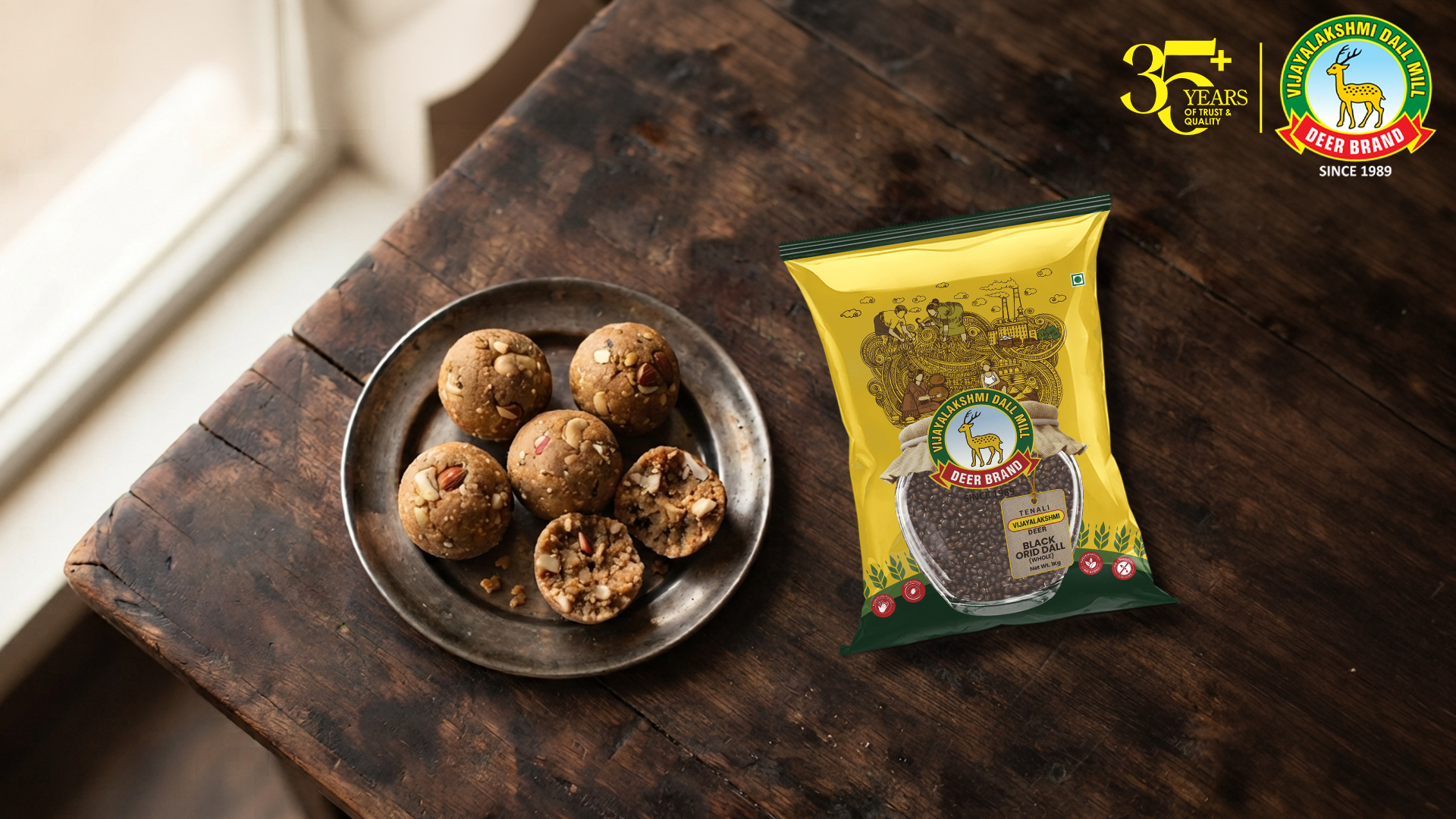
When the weather turns cold, many Indian homes bring out a few sweets that are made to nourish as well as to taste good. Urad gota laddu is one of the oldest of them. It is made by roasting whole black gram in ghee, binding it with jaggery and flavouring it with dry ginger and cardamom.
This post gives you a simple, tested urad gota laddu recipe with exact quantities, along with tips on texture, storage and portion size so your laddus turn out right the first time.
What Is Urad Gota Laddu?
Urad gota laddu is a traditional Indian sweet made by roasting whole black gram flour in ghee and binding it with jaggery. It is rich in protein, iron and magnesium, and is eaten in winter and after childbirth for strength. The whole grain skin gives it a deeper, nuttier flavour than white urad dal laddus.
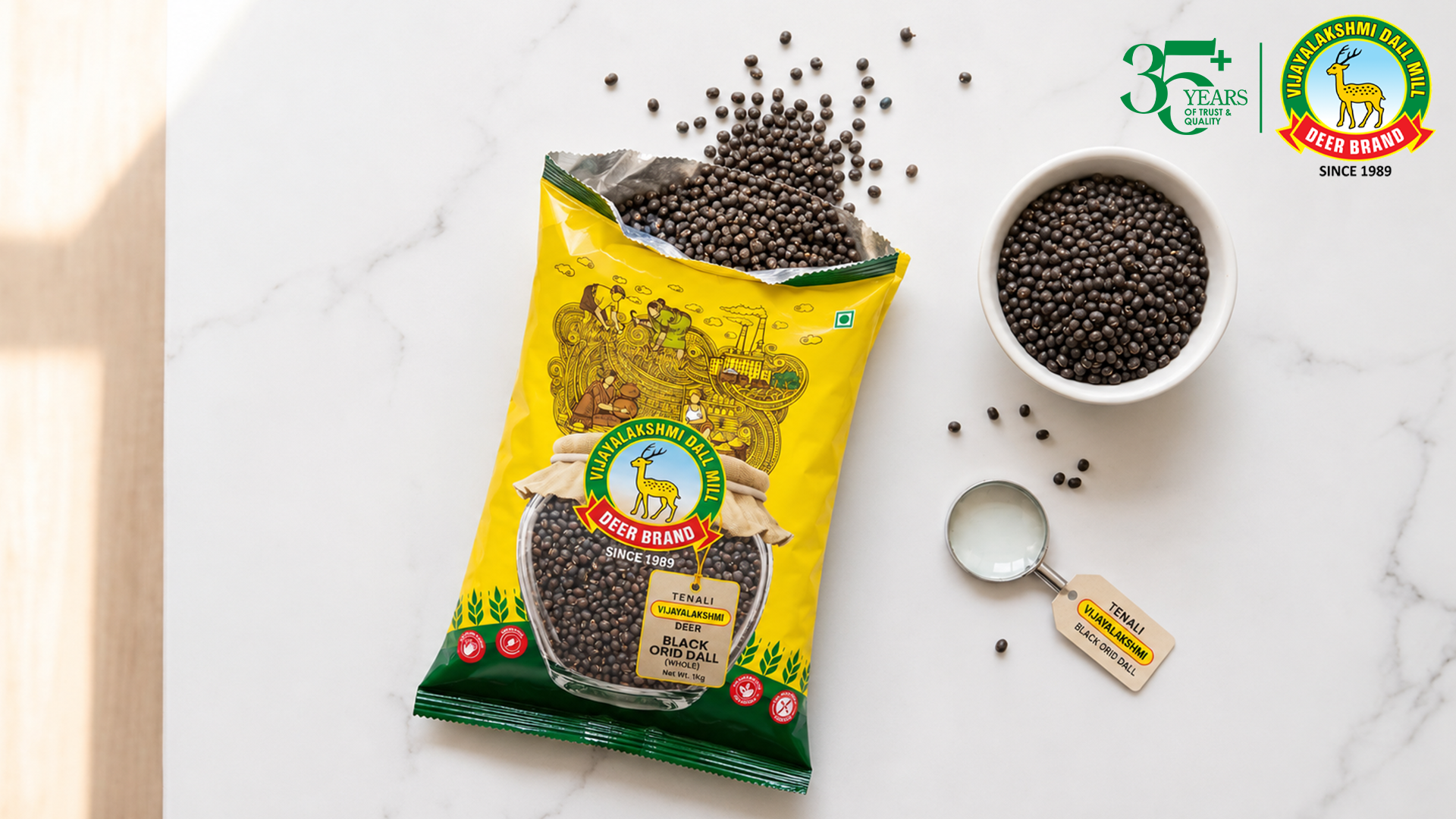
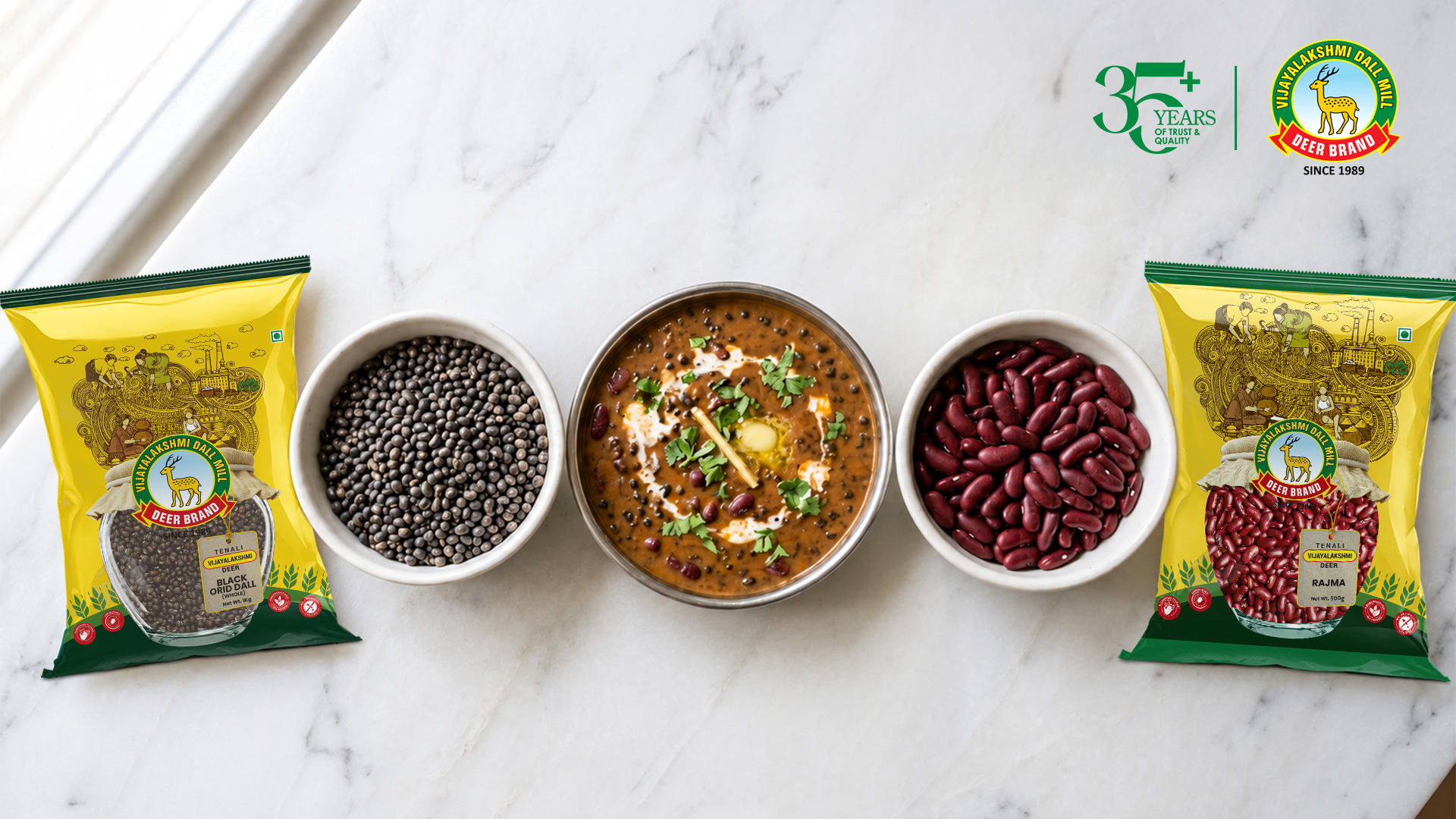
Urad gota is the whole black gram with its dark outer skin intact. That skin holds extra fibre, minerals and natural oils, which is why laddus made from it taste richer and keep you full for longer.
Why Is Urad Gota Laddu a Good Winter Food?
Urad gota laddu suits winter because its ghee, jaggery and dry ginger are warming, while the whole black gram adds protein, iron and magnesium for energy. Ayurveda classes urad gota as heavy and nourishing, which is why it is traditionally eaten in the cold months to build strength.
Here is what each main ingredient contributes:
- Urad gota: about 25g of protein per 100g of dry dal, plus iron, magnesium and fibre
- Ghee: healthy fat that helps absorb fat-soluble vitamins and keeps you warm
- Jaggery: a natural sweetener that also contains small amounts of iron
- Dry ginger: a warming spice traditionally used to aid digestion
- Cardamom: adds aroma and a mild digestive benefit
- Almonds: extra protein, healthy fat and crunch
For a deeper look at the Ayurvedic view of this grain, read our post on urad dal in Ayurveda.
What Ingredients Do You Need for Urad Gota Laddu?
You need only six main ingredients: whole urad gota, ghee, powdered jaggery, dry ginger powder, cardamom and chopped almonds. This makes about 12 laddus and takes roughly 45 minutes. Use fresh, naturally processed gota, since old dal roasts unevenly and gives a bitter, flat taste.
Ingredients for about 12 laddus:
- Whole urad gota: 1 cup (about 200g)
- Ghee: three quarters of a cup
- Powdered jaggery: three quarters of a cup
- Dry ginger powder: half a teaspoon
- Cardamom powder: half a teaspoon
- Chopped almonds: 2 tablespoons
- Salt: a tiny pinch
Fresh gota makes a visible difference to the flavour. Deer Brand natural urad dal is processed without chemical polishing, so it roasts evenly and smells nutty rather than flat.
How Do You Make Urad Gota Laddu at Home?
Dry roast the urad gota until fragrant, grind it into fine flour, then roast the flour in ghee. Mix in powdered jaggery, dry ginger, cardamom and almonds while the mixture is warm, and shape into laddus. The full process takes about 45 minutes.
Step by step method:
- Pick through the urad gota and remove any stones or debris. Do not wash it, because the roasting needs dry grains.
- Heat a heavy pan on low heat and dry roast the gota for 12 to 15 minutes, stirring often, until it smells nutty and darkens slightly.
- Let the roasted gota cool completely, about 15 minutes.
- Grind it into a fine flour and sieve it. Re-grind any coarse bits.
- Heat 3 tablespoons of ghee in the pan on low heat and add the flour.
- Roast the flour in the ghee for 8 to 10 minutes, stirring constantly, until it turns a shade darker and smells rich.
- Switch off the heat and let the mixture cool for 5 minutes. If you add jaggery to a very hot pan it melts into syrup and the laddus turn sticky.
- Melt the remaining ghee and pour it into the flour. Add powdered jaggery, dry ginger, cardamom, almonds and the pinch of salt.
- Mix well with a spoon first, then with your hands once it is comfortable to touch.
- Press and roll the mixture into laddus about the size of a lemon while it is still warm.
- Cool the laddus fully before storing them.
If the mixture will not bind, add one more tablespoon of warm ghee. If it is too loose, let it cool a little longer before shaping. This is the most common fix for a first attempt at urad gota laddu.
Is Urad Gota Laddu Better Than White Urad Dal Laddu?
Urad gota laddu is nuttier and more nutritious because the skin adds fibre, iron and minerals, while white urad dal laddu is milder and smoother. Both are good winter sweets, so the better choice depends on whether you want maximum nutrition or a softer, lighter texture.
Urad gota laddu:
- Deeper, earthier, nuttier flavour
- More fibre and minerals from the intact skin
- Slightly denser texture
- Needs longer roasting and finer grinding
White urad dal laddu:
- Milder, creamier flavour
- Smoother, softer texture
- Roasts faster
- Slightly less fibre because the skin is removed
For a full comparison of the two varieties, read our post on urad gota vs white urad dal.
How Many Urad Gota Laddus Can You Eat in a Day?
One laddu a day, weighing about 30 grams, is a sensible portion for most healthy adults. Nursing mothers are traditionally given one to two. Because each laddu contains ghee and jaggery, it is calorie dense, so people managing diabetes or weight should check with their doctor first.
Eat it as a mid-morning or evening snack with warm milk rather than as a dessert after a heavy meal. For new mothers, our guide on urad gota for breastfeeding mothers explains how this grain supports postpartum recovery.
How Do You Store Urad Gota Laddu?
Store urad gota laddu in an airtight steel or glass container in a cool, dry place. They stay fresh for two to three weeks at room temperature and up to a month in the refrigerator. Keep them away from moisture and always use a dry spoon.
- Cool the laddus completely before closing the lid
- Do not store them near the stove or in a humid cupboard
- If the ghee smells rancid or you see any moisture or mould, discard them
- In warm weather, refrigerate them and bring to room temperature before eating
What Tips Make Urad Gota Laddu Turn Out Perfect?
Roast on low heat, grind the flour fine, and let the mixture cool slightly before adding jaggery. These three steps prevent bitterness, lumps and a sticky texture. Using fresh, naturally processed urad gota also gives a sweeter aroma and a better bind.
- Roast patiently. High heat burns the outside and leaves the inside raw, which makes the laddu bitter.
- Sieve the flour. Coarse flour makes crumbly laddus that will not hold their shape.
- Use good ghee. It gives the flavour, so do not cut back too far.
- Powder the jaggery finely so it blends evenly.
- Shape while warm. Once the mixture cools completely it becomes hard to roll.
For more ways to use this grain in everyday meals, read our guide on how to cook urad gota at home.
Frequently Asked Questions
Can I make urad gota laddu without ghee? Ghee is what binds the flour and gives the laddu its flavour, so it is hard to skip. If you must reduce it, use a little less and add one or two tablespoons of warm milk. The laddus will be softer and should be eaten within a few days.
Is urad gota laddu good for new mothers? Yes. Urad gota laddu is a traditional postpartum food in South India because it provides protein, iron, calcium and magnesium in an easy to eat form. Nursing mothers are usually given one to two small laddus a day, but they should confirm the portion with their doctor.
Can I use white urad dal instead of urad gota? Yes. White urad dal makes a milder, smoother laddu and roasts faster. The recipe is the same, but you will get less fibre and a lighter flavour than with whole gota.
Why is my urad gota laddu bitter? Bitterness usually comes from roasting on high heat or from old dal. Roast on low heat until the aroma turns nutty, and use fresh urad gota. Also check that the flour has not darkened too much before you add the ghee.
Can I replace jaggery with sugar? Yes, in the same quantity, but the flavour will be plainer and the laddu will be less rich in minerals. Jaggery adds a caramel depth that suits the nutty flavour of urad gota laddu.
The Bottom Line
A good urad gota laddu is simple: fresh gota, low heat, fine flour, good ghee and patient roasting. Done right, it gives you a nourishing winter sweet with protein, iron and magnesium that keeps well for weeks.
The quality of the grain decides how it roasts, smells and tastes. For naturally processed urad gota from our Tenali mills, shop Deer Brand products on JioMart, Amazon and Flipkart.
Published by the Deer Brand Team — Vijayalakshmi Dall Mills, manufacturers of premium natural urad dal in Tenali, Andhra Pradesh since 1989.