How Vijayalakshmi Urad Dal Supports Your Nervous System Naturally
The nervous system is the body’s communication network. It controls everything from muscle movement and reflexes to mood, sleep, and cognitive function. Most people think about nervous system health only when something goes wrong, through anxiety, poor sleep, muscle cramps, or neurological symptoms. But like every other system in the body, the nervous system is built and maintained through the nutrients you consume every day.
Urad dal is one of the most nervous system supportive foods in everyday Indian cooking. It is exceptionally rich in magnesium, B vitamins, and protein, all of which play direct roles in nerve function, neurotransmitter production, and the structural integrity of nerve cells. This post covers exactly how Vijayalakshmi urad dal supports your nervous system, which nutrients are responsible, and how to eat it for maximum benefit.
Is Urad Dal Good for the Nervous System?
Yes, urad dal is genuinely good for nervous system health. Ayurvedic texts have prescribed urad dal for nervous system support for over three thousand years, describing it as a food that calms vata dosha, which governs nerve function and movement in Ayurvedic medicine. Modern nutrition now provides a clear scientific explanation for these traditional observations.
The key nutrients in urad dal that support nervous system health are magnesium, B vitamins (thiamine, riboflavin, and niacin), protein, and iron. Each of these plays a specific and well documented role in maintaining healthy nerve function, supporting neurotransmitter production, and protecting nerve cells from damage.
How Does Magnesium in Urad Dal Support the Nervous System?
Magnesium is the most important mineral in urad dal for nervous system health. Urad dal contains approximately 267mg of magnesium per 100g, one of the highest magnesium contents of any food in everyday Indian cooking.
Here is what magnesium does for your nervous system:
Nerve transmission
Magnesium regulates the flow of calcium and potassium ions across nerve cell membranes. This ion flow is what generates the electrical signals that nerves use to communicate. Without adequate magnesium, nerve signalling becomes dysregulated, which can manifest as heightened anxiety, irritability, muscle twitching, and poor stress response.
NMDA receptor regulation
Magnesium blocks NMDA receptors in the brain when they are not needed. NMDA receptors are involved in learning, memory, and pain perception. Without adequate magnesium to regulate these receptors, they can become overactive, which is associated with anxiety, chronic pain, and neurological symptoms.
Muscle relaxation
Magnesium counteracts the action of calcium in muscle cells. Calcium causes muscle contraction. Magnesium causes muscle relaxation. This is why magnesium deficiency so commonly presents as muscle cramps, twitching, and tension. The same mechanism applies to the smooth muscle of blood vessels, which is why adequate magnesium is associated with lower blood pressure.
Sleep quality
Magnesium activates the parasympathetic nervous system, the rest and digest system that is responsible for calming the body and preparing it for sleep. It also regulates melatonin production and GABA activity, both of which are essential for healthy sleep. Magnesium deficiency is strongly associated with insomnia and poor sleep quality.
Stress response
Magnesium regulates the HPA axis, which controls the release of cortisol, the primary stress hormone. Low magnesium is associated with an exaggerated cortisol response to stress, meaning the body reacts more intensely to stressors than it would with adequate magnesium levels. Regular magnesium intake through foods like urad dal supports a more balanced stress response over time.
The daily recommended magnesium intake for adults is 310 to 420mg depending on age and sex. A single serving of 30g of dry urad dal provides approximately 80mg of magnesium, around 20 to 25 percent of the daily requirement. Two servings per day covers 40 to 50 percent, making urad dal one of the most practical dietary sources of this nervous system essential mineral.
For the complete nutritional breakdown of urad dal including all minerals and vitamins, read our post on urad dal nutrition facts per 100g.
How Do B Vitamins in Urad Dal Support the Nervous System?
Urad dal is rich in three B vitamins that are directly involved in nervous system function: thiamine (B1), riboflavin (B2), and niacin (B3).
Thiamine (B1) — 0.42mg per 100g
Thiamine is essential for nerve cell energy metabolism. Nerve cells have extremely high energy demands because they are constantly generating and transmitting electrical signals. Thiamine helps convert glucose into usable energy within nerve cells. Thiamine deficiency is associated with peripheral neuropathy, a condition characterised by numbness, tingling, and pain in the hands and feet caused by nerve damage. Adequate thiamine intake from foods like urad dal supports the energy production that keeps nerve cells functioning correctly.
Riboflavin (B2) — 0.28mg per 100g
Riboflavin acts as an antioxidant in nerve cells and supports the production of myelin, the protective sheath that surrounds nerve fibres. Myelin is essential for the efficient transmission of nerve signals. Damage to myelin, as in conditions like multiple sclerosis, disrupts nerve transmission. Adequate riboflavin intake supports myelin integrity and protects nerve cells from oxidative damage.
Niacin (B3) — 1.5mg per 100g
Niacin supports DNA repair in nerve cells and is involved in the production of neurotransmitters. It also supports the conversion of tryptophan to serotonin, the neurotransmitter most associated with mood, wellbeing, and sleep regulation. Niacin deficiency in severe form causes pellagra, which includes neurological symptoms such as dementia and confusion. Even subclinical niacin insufficiency is associated with poor mood and cognitive function.
How Does Protein in Urad Dal Support the Nervous System?
Protein is the building block of neurotransmitters, the chemical messengers that nerves use to communicate with each other and with muscles and organs. Every major neurotransmitter including serotonin, dopamine, GABA, and noradrenaline is synthesised from amino acids derived from dietary protein.
Tryptophan and serotonin
Tryptophan is an essential amino acid found in urad dal that is the precursor to serotonin. Serotonin is the primary neurotransmitter associated with mood regulation, emotional wellbeing, and sleep. Inadequate dietary tryptophan reduces serotonin production which is associated with depression, anxiety, and sleep disturbance.
Tyrosine and dopamine
Tyrosine is another amino acid in urad dal that is the precursor to dopamine and noradrenaline. Dopamine is associated with motivation, reward, and motor control. Noradrenaline is involved in alertness and stress response.
GABA support
GABA is the primary inhibitory neurotransmitter in the brain, the chemical that calms neural activity and reduces anxiety. Its production requires glutamate, an amino acid present in significant amounts in urad dal, as well as B vitamins that act as cofactors in the conversion process.
When protein intake is consistently adequate through foods like urad dal, the raw material for neurotransmitter production is reliably available. When protein intake is inadequate, neurotransmitter production can be compromised, which affects mood, cognitive function, sleep, and stress response.
How Does Iron in Urad Dal Support the Nervous System?
Iron deficiency has significant neurological consequences that are often overlooked. Iron is essential for several aspects of nervous system function:
Oxygen delivery to nerve cells
Iron is required for haemoglobin production, which carries oxygen in the blood. Nerve cells have exceptionally high oxygen requirements because of their constant energy demands. Iron deficiency reduces oxygen delivery to nerve cells, which impairs their function and can cause fatigue, poor concentration, and cognitive difficulties.
Myelin synthesis
Iron is directly involved in the synthesis of myelin, the protective sheath around nerve fibres. Iron deficiency during critical developmental periods is associated with impaired myelination and lasting neurological effects.
Neurotransmitter production
Iron is a cofactor in the synthesis of serotonin, dopamine, and noradrenaline. Iron deficiency can therefore reduce the production of these important neurotransmitters, contributing to low mood, poor motivation, and anxiety.
Urad dal provides 7 to 8mg of iron per 100g, making it one of the richest plant-based iron sources in the Indian diet. For a complete guide on urad dal and iron deficiency, read our post on is urad dal good for iron deficiency.
What Does Ayurveda Say About Urad Dal and the Nervous System?
Ayurvedic texts have described urad dal as a nervine food, meaning a food that specifically nourishes and supports the nervous system, for over three thousand years. It is classified as vata-pacifying, which in Ayurvedic terms means it calms the dosha that governs nerve function, movement, and mental activity.
Traditional Ayurvedic uses of urad dal for nervous system conditions include:
- Anxiety and mental restlessness associated with vata imbalance
- Poor sleep and insomnia
- Muscle weakness and tremors
- Nerve related pain and sensitivity
- Recovery from physical and mental exhaustion
Modern nutrition science explains these traditional uses through the magnesium, B vitamin, and protein content of urad dal. The traditional observation that urad dal calms the nervous system is consistent with what we now understand about the role of magnesium in regulating nerve transmission and stress response, and the role of B vitamins in supporting nerve cell energy metabolism.
For a complete guide to urad dal in Ayurveda and what modern science says about traditional uses, read our post on urad dal in Ayurveda.
Which Urad Dal Preparations Are Best for Nervous System Health?
Fermented idli batter (best choice)
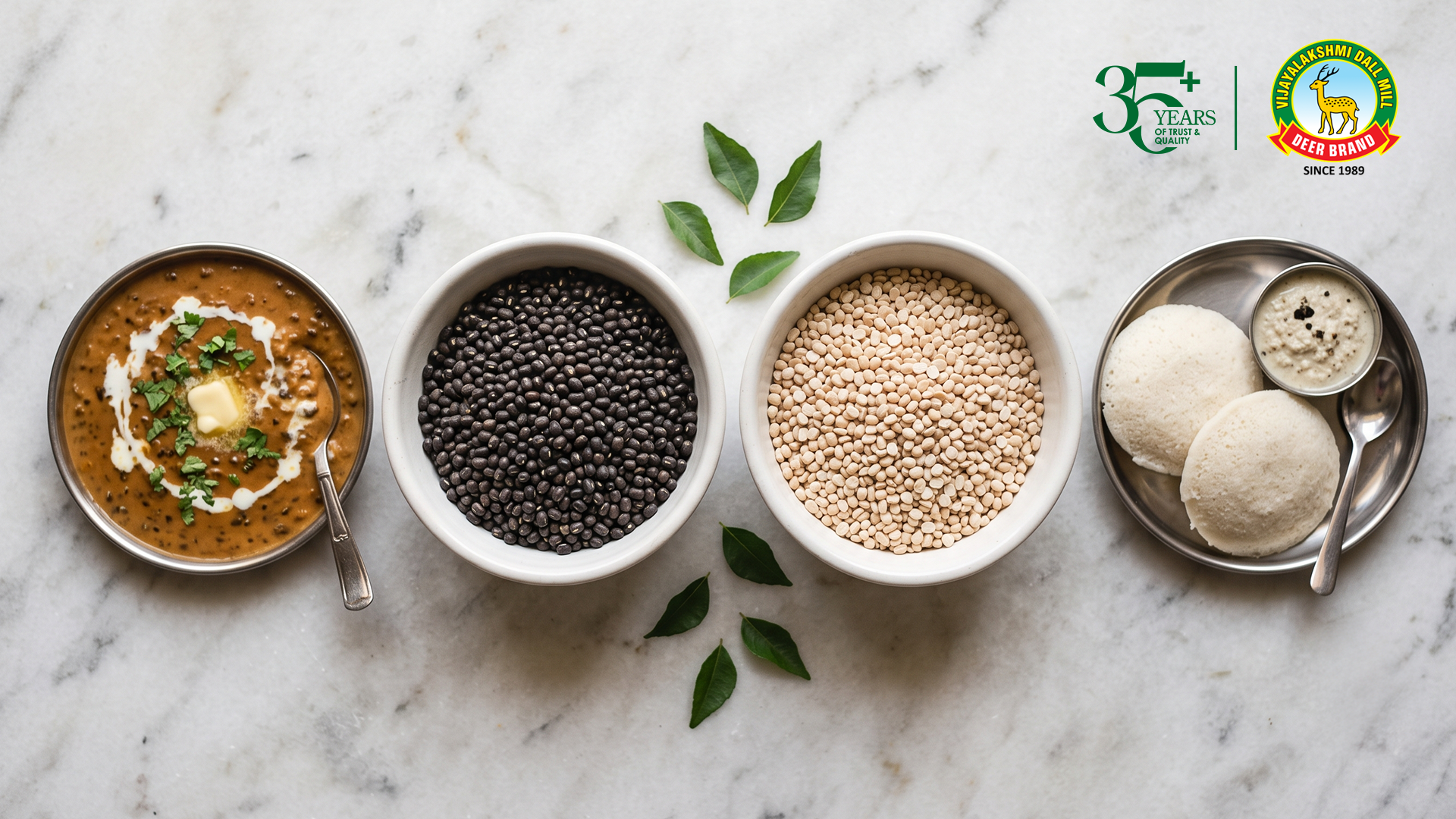
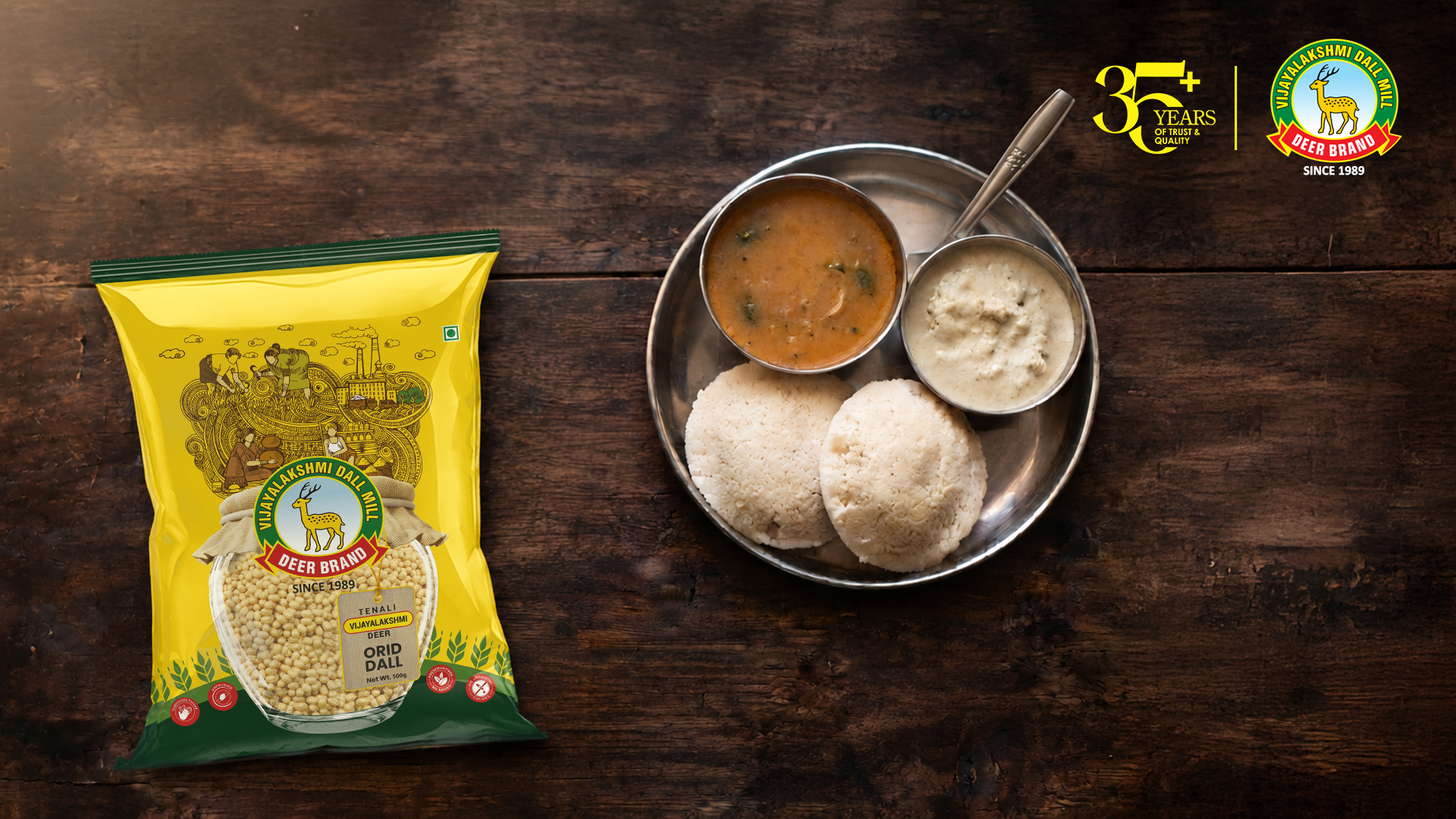
Fermentation reduces phytic acid and significantly improves the bioavailability of magnesium, iron, and zinc. This means the magnesium you get from fermented idli is more accessible to your body than the same mineral from plain boiled dal. Two to three idlis daily provides a consistent supply of nervous system-supporting nutrients.
Boiled urad dal with ghee (excellent choice)
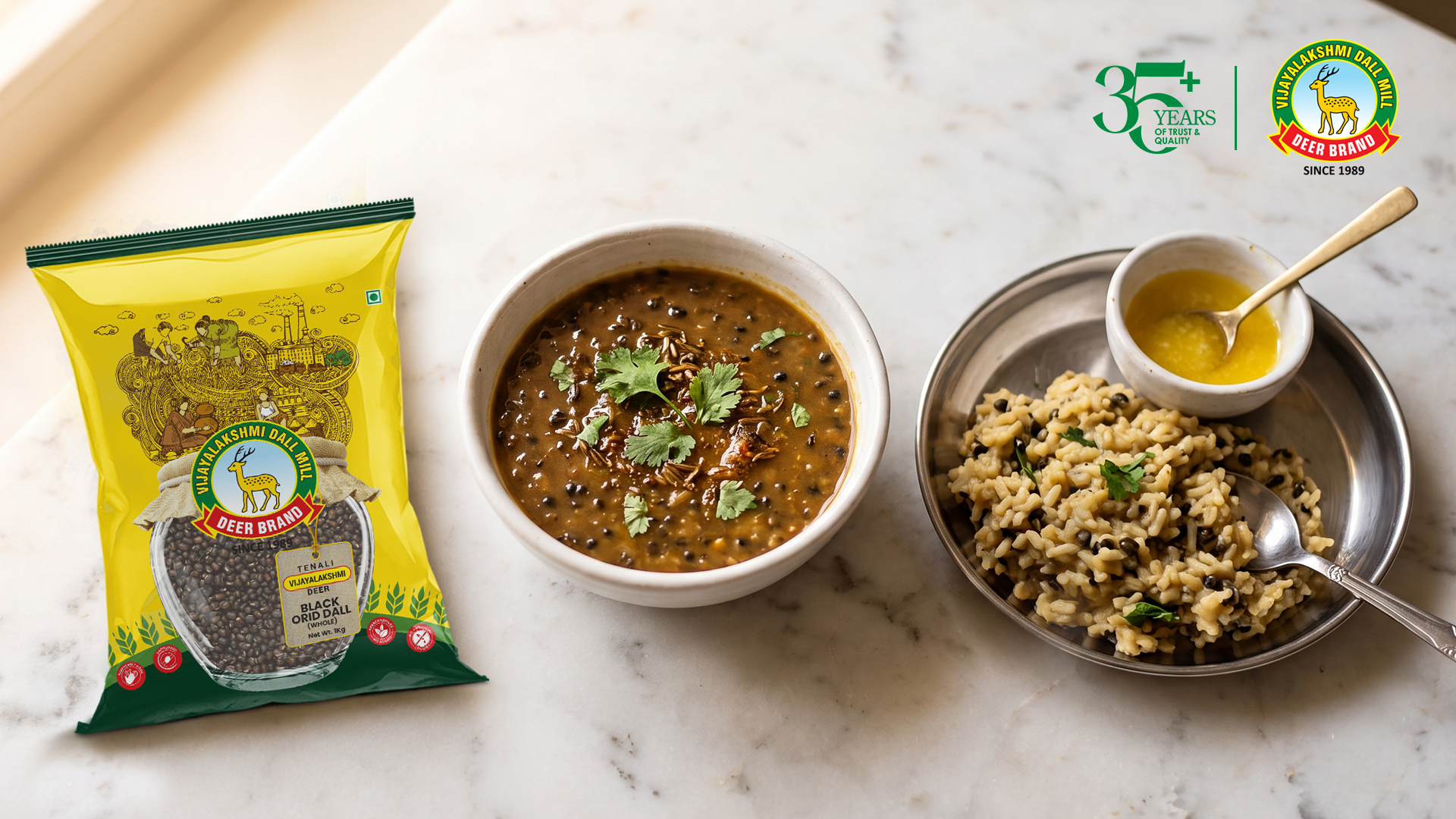
In Ayurvedic tradition, urad dal is specifically recommended to be prepared with ghee for nervous system support. This has a practical nutritional basis: ghee provides fat that improves the absorption of fat soluble vitamins and enhances the overall nourishing quality of the meal. A small amount of ghee added to boiled urad dal is the traditional Ayurvedic preparation for nervous system support.
Sprouted urad dal (very good choice)
Sprouting further reduces phytic acid and increases the bioavailability of minerals. Sprouted urad dal lightly cooked with minimal spices is a good nervous system friendly preparation.
Dal khichdi with urad dal and ghee (good choice)
A soft khichdi of urad dal, rice, and a small amount of ghee with mild spices is one of the most traditional Ayurvedic preparations for nervous system recovery and restoration. Easy to digest, nutrient dense, and gentle on the system.
How Much Urad Dal Should You Eat for Nervous System Health?
One to two servings of urad dal per day as part of a varied, nutritionally complete diet is the practical recommendation for nervous system health. This provides:
- 80 to 160mg of magnesium — 20 to 40 percent of the daily requirement for nervous system support
- Meaningful amounts of thiamine, riboflavin, and niacin for nerve cell energy metabolism
- 7 to 8g of protein per serving providing amino acid precursors for neurotransmitter production
- 2 to 2.5mg of iron supporting oxygen delivery to nerve cells
Consistency matters more than quantity for nervous system health. Eating urad dal every day in a bioavailable form provides a reliable daily supply of the nutrients that nerve cells depend on, rather than occasional large servings that the body cannot fully utilise.
Frequently Asked Questions
Is urad dal good for anxiety? The magnesium content of urad dal supports the regulation of the stress response and nerve transmission, both of which are relevant to anxiety. Magnesium deficiency is associated with heightened anxiety and an exaggerated cortisol response to stress. Regular consumption of magnesium rich foods like urad dal as part of a balanced diet supports a more regulated stress response. Anxiety with a clinical diagnosis should be managed with professional support alongside dietary strategies.
Can urad dal help with sleep problems? Magnesium supports the parasympathetic nervous system and regulates melatonin and GABA activity, all of which are important for healthy sleep. The magnesium in urad dal contributes to these sleep supporting mechanisms. For people whose sleep problems are related to magnesium deficiency or stress, regular urad dal consumption as part of a magnesium adequate diet may support improved sleep quality over time.
Is urad dal good for brain health? Yes. The B vitamins in urad dal support nerve cell energy metabolism, neurotransmitter production, and myelin integrity. The magnesium supports NMDA receptor regulation and stress response. The iron supports oxygen delivery to brain cells. Together these nutrients support overall brain health and cognitive function as part of a nutritionally complete diet.
Which preparation of urad dal is best for the nervous system? Fermented preparations like idli are the most bioavailable in terms of mineral absorption. Ayurvedic tradition specifically recommends urad dal prepared with ghee for nervous system support, which has a practical nutritional basis in the fat soluble vitamin absorption that ghee supports. A combination of daily idli and occasional urad dal with ghee covers both the modern nutritional and traditional Ayurvedic approaches.
How long does it take to see benefits for the nervous system from eating urad dal? Nutritional improvements to nervous system function take time. For magnesium related symptoms like muscle cramps, poor sleep, and heightened anxiety, improvements from consistently adequate magnesium intake typically become noticeable after 4 to 8 weeks of daily consumption. For more structural nervous system support through B vitamins and protein, the timeline is longer as nerve cell renewal is a gradual process.
The Bottom Line
Vijayalakshmi urad dal is one of the most nervous system supportive foods in everyday Indian cooking. Its exceptional magnesium content regulates nerve transmission, stress response, muscle relaxation, and sleep quality. Its B vitamins support nerve cell energy metabolism, myelin production, and neurotransmitter synthesis. Its protein provides the amino acid building blocks for serotonin, dopamine, and GABA. And its iron supports oxygen delivery to nerve cells.
Ayurveda identified these properties empirically over three thousand years ago. Modern nutrition science has now confirmed them through understanding of the specific nutrients involved. Eating urad dal consistently every day in fermented preparations like idli is one of the most practical and culturally familiar ways to support nervous system health through diet.
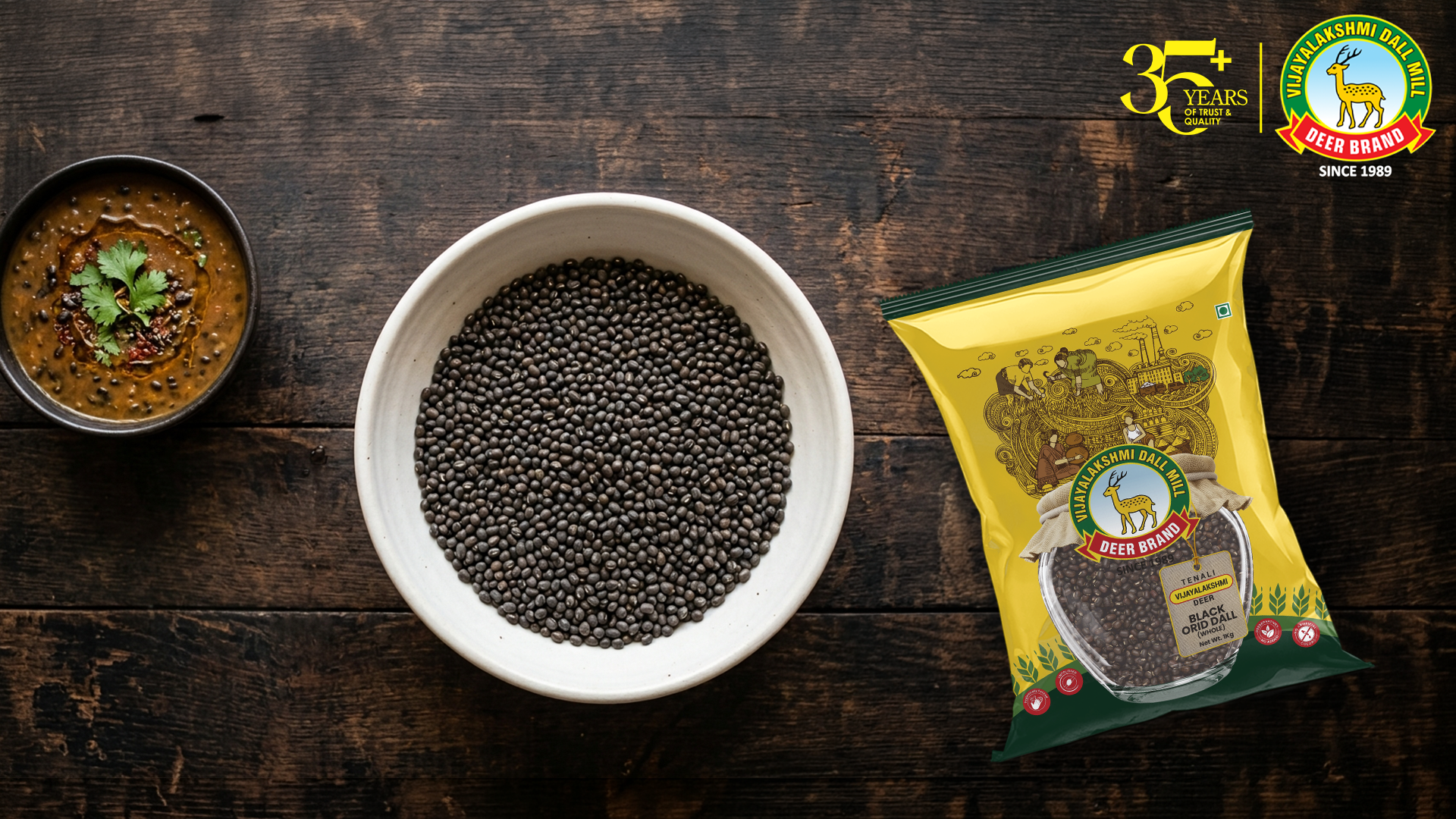
For naturally processed urad dal that retains its complete nutritional profile for nervous system health, buy Vijayalakshmi Deer Brand natural urad dal — available in 500g, 1kg, and 5kg packs on JioMart, Amazon, and Flipkart.
Published by the Deer Brand Team — Vijayalakshmi Dall Mills, manufacturers of premium natural urad dal in Tenali, Andhra Pradesh since 1989.