Vijayalakshmi Deer Brand Urad Gota for Bone and Joint Health
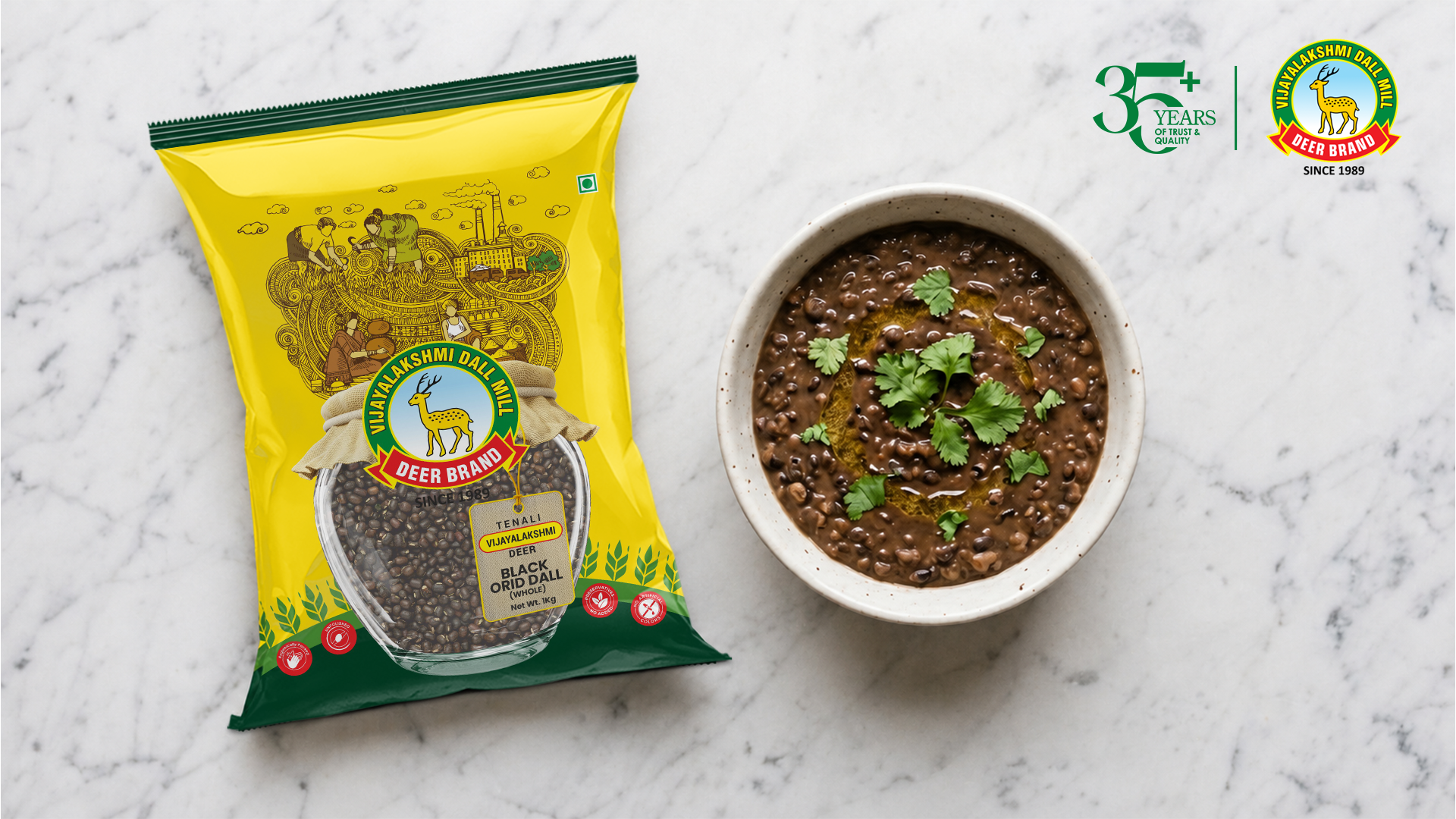
Bone and joint health is something most people take for granted until something goes wrong. A fracture, joint pain, stiffness, or a diagnosis of low bone density usually triggers the conversation about nutrition. But the habits that protect your bones and joints are built over decades, and the foods you eat consistently every day matter more than most people realise.
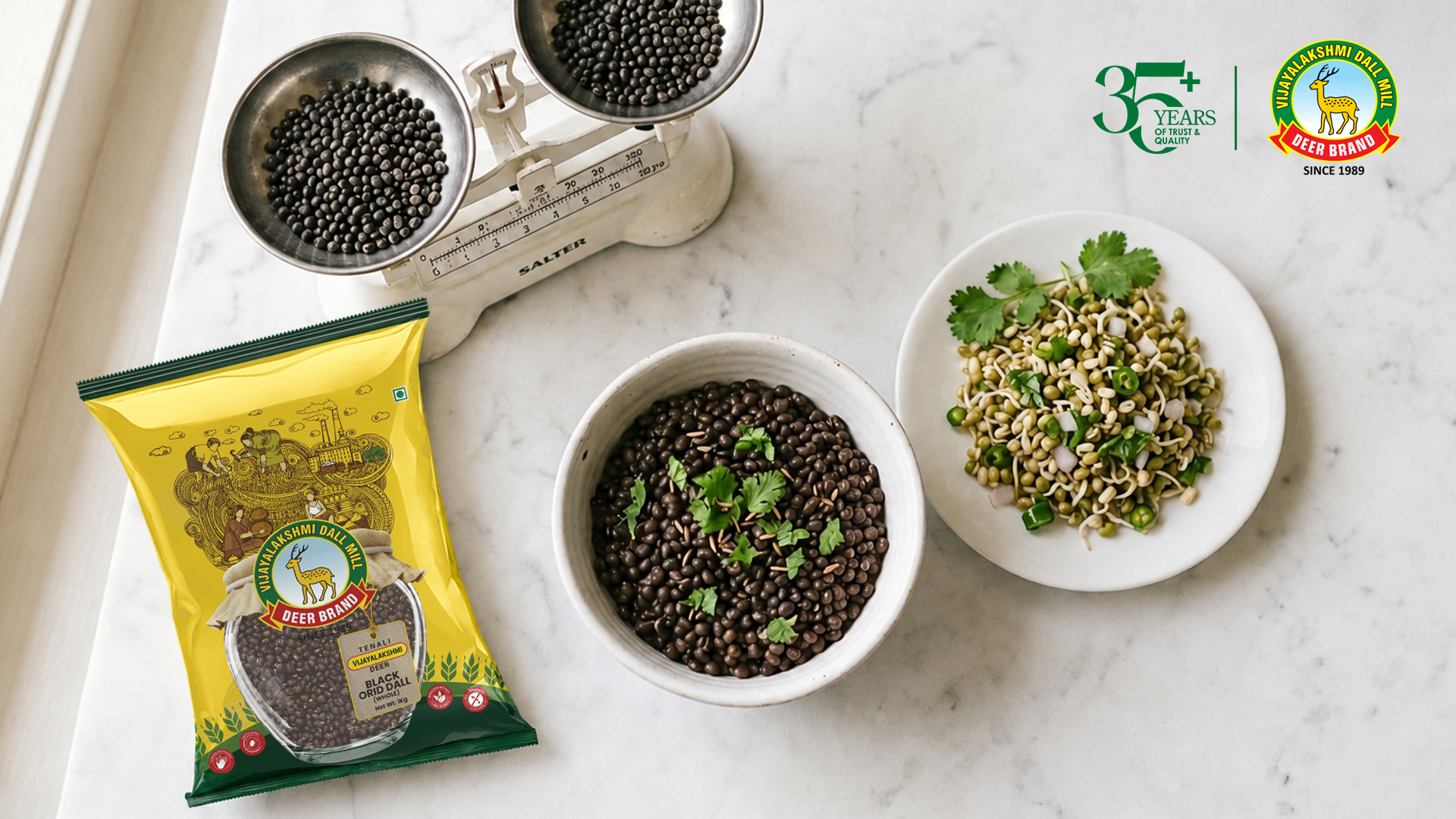
Vijayalakshmi Deer Brand urad gota is one of the most bone and joint-friendly foods in everyday Indian cooking. In its whole grain form with the outer skin intact, it provides calcium, magnesium, phosphorus, and protein in meaningful quantities alongside the Ayurvedic properties that traditional medicine has associated with bone and joint nourishment for thousands of years.
Is Urad Gota Good for Bone and Joint Health?
Yes. Urad gota provides three of the most important nutrients for bone density: calcium, magnesium, and phosphorus. It also provides protein which is essential for the structural integrity of bone tissue, and folate which supports bone cell renewal. In its whole grain form, urad gota retains more of these nutrients than white dehusked urad dal because the outer skin that contains concentrated minerals is intact.
For joint health specifically, urad gota is classified in Ayurvedic medicine as a snigdha or unctuous food that nourishes and lubricates the joints. Modern nutrition science provides a clear explanation for this traditional observation through the anti-inflammatory properties of urad gota’s fibre content and the role of magnesium in muscle and nerve function that supports joint mobility.
What Nutrients in Urad Gota Support Bone Health?
Calcium (138mg per 100g)
Calcium is the primary structural mineral in bones. Approximately 99 percent of the body’s calcium is stored in bones and teeth. The daily recommended calcium intake for adults is 1,000mg. Urad gota provides 138mg per 100g, making it a meaningful contributor to daily calcium requirements particularly for people who eat it twice daily as part of traditional South Indian and North Indian meals.
Magnesium (267mg per 100g)
Magnesium is the most underappreciated bone health mineral. Approximately 60 percent of the body’s magnesium is stored in bones. Magnesium is essential for converting vitamin D into its active form which is needed for calcium absorption. Without adequate magnesium, calcium cannot be properly absorbed and utilised by bones even when dietary calcium intake is sufficient.
Urad gota is exceptionally rich in magnesium at 267mg per 100g, one of the highest magnesium contents of any food in everyday Indian cooking. A single serving contributes 20 to 25 percent of the daily magnesium requirement.
Phosphorus (379mg per 100g)
Phosphorus works alongside calcium as a structural component of bone. Approximately 85 percent of the body’s phosphorus is found in bones and teeth. Urad gota provides 379mg of phosphorus per 100g, working in combination with its calcium content to support healthy bone mineral density.
Protein (25g per 100g)
Approximately one third of bone tissue is made up of protein, primarily collagen. Collagen provides the flexible framework onto which calcium and phosphorus are deposited. Without adequate dietary protein, bone structure weakens even when mineral intake is sufficient. Urad gota provides 25g of protein per 100g making it one of the most efficient plant protein sources for supporting bone structural integrity.
For the complete nutritional breakdown of urad gota, read our post on Vijayalakshmi Deer Brand urad gota: health benefits you should know.
What Does Ayurveda Say About Urad Gota for Bones and Joints?
Ayurvedic texts have described urad gota as specifically beneficial for bones and joints for over three thousand years. Its classification as snigdha (unctuous) corresponds to its ability to nourish and lubricate the joints. It is described as guru (heavy and building) which in Ayurvedic terms means it builds and replenishes depleted tissues including bone.
Traditional Ayurvedic uses of urad gota for bone and joint health include:
- Regular consumption for building bone strength and density
- Preparation with ghee and warming spices for joint lubrication and reduced stiffness
- Postpartum use specifically to replenish bone minerals lost during pregnancy and breastfeeding
- Recovery from fractures and bone injuries as part of a strengthening dietary protocol
Modern nutrition science confirms the mechanisms behind these traditional uses through the calcium, magnesium, and phosphorus content of urad gota and its role in supporting the structural and functional requirements of bone and joint tissue.
For a complete guide to urad gota in Ayurveda, read our post on urad dal in Ayurveda.
How Does Urad Gota Support Joint Health?
Beyond bone density, urad gota supports joint health through two specific mechanisms:
Anti-inflammatory fibre
The high fibre content of urad gota feeds beneficial gut bacteria that produce short chain fatty acids. Short chain fatty acids have well documented anti-inflammatory effects that reduce systemic inflammation throughout the body including in joint tissue. Chronic low-grade inflammation is a key driver of joint pain and degenerative joint conditions. Regular consumption of high-fibre foods like urad gota contributes to reduced systemic inflammation over time.
Magnesium for muscle and nerve function
Magnesium supports the relaxation of muscles and the regulation of nerve signals that control muscle tension around joints. Adequate magnesium intake reduces muscle cramping and tension that can contribute to joint stiffness and pain. This is likely part of the mechanism behind the traditional Ayurvedic observation that urad gota lubricates and nourishes the joints.
Which Urad Gota Preparations Are Best for Bone and Joint Health?
Urad gota dal with ghee (best choice)
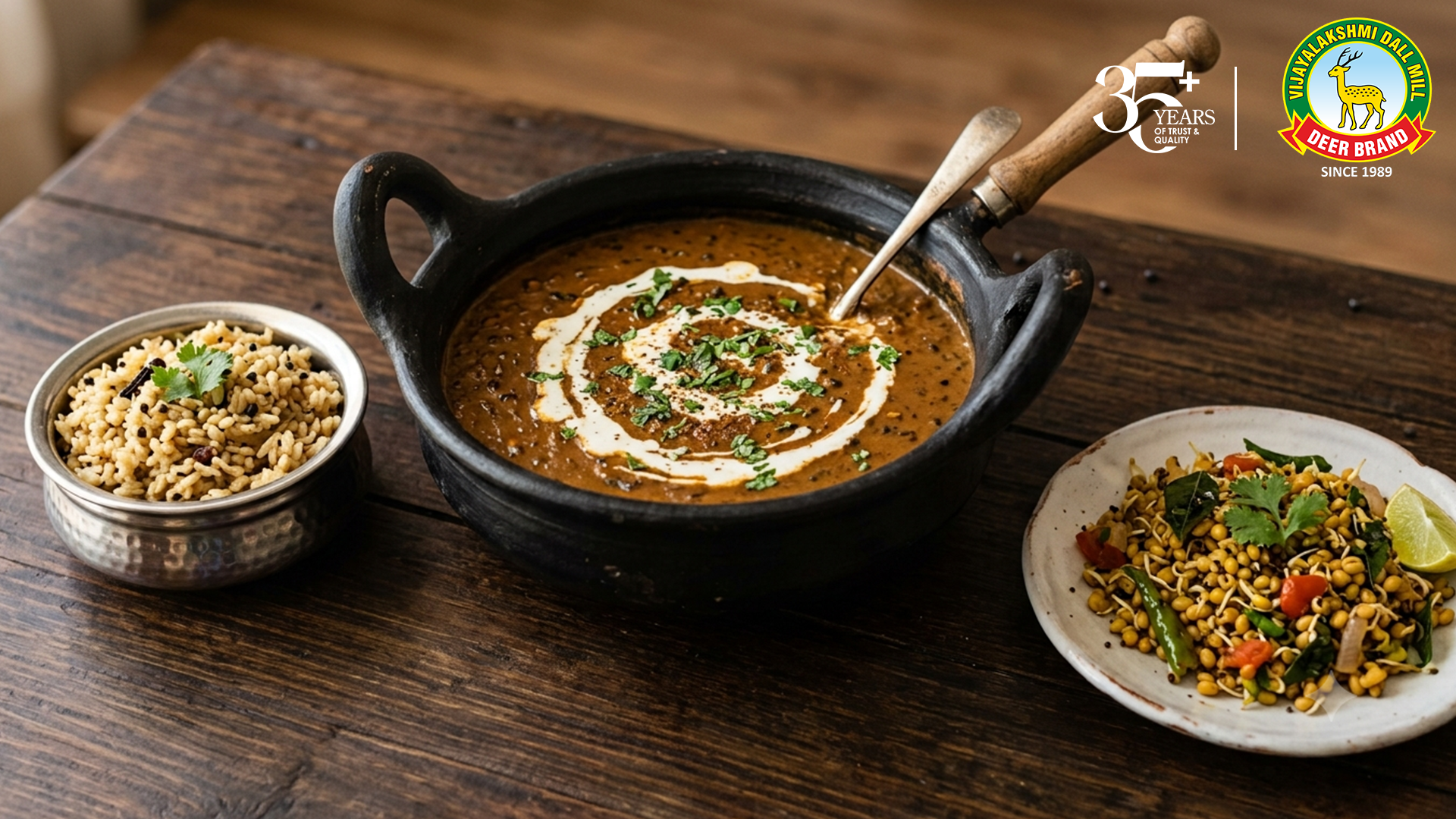
In Ayurvedic tradition, urad gota prepared with ghee is the specific recommendation for bone and joint health. This has a clear nutritional basis: ghee provides fat that improves the absorption of fat-soluble vitamins including vitamin D and vitamin K2, both of which are essential for calcium metabolism and bone health. A bowl of pressure-cooked urad gota with a small amount of ghee in the tadka is the most traditional and nutritionally appropriate preparation.
Plain boiled urad gota with lemon (excellent choice)
Pressure-cooked urad gota with a squeeze of lemon before eating. The vitamin C in lemon juice improves iron absorption and also plays a direct role in collagen synthesis, which is essential for bone structural integrity.
Dal makhani (good occasional choice)
Whole urad gota slow cooked as dal makhani provides good calcium, magnesium, and phosphorus. The butter and cream add fat that improves fat-soluble vitamin absorption alongside the bone minerals. Suitable as an occasional preparation rather than a daily bone health food due to its calorie density.
Sprouted urad gota (good choice)
Sprouting reduces phytic acid which improves the bioavailability of calcium and magnesium. Sprouted urad gota lightly cooked is a good bone-friendly preparation particularly for people who want a lighter alternative to cooked dal.
How Much Urad Gota Should You Eat for Bone Health?
One to two servings of urad gota per day as part of a varied diet that also includes vitamin D through sunlight exposure is the practical recommendation for bone health. This provides:
- 138 to 276mg of calcium toward the 1,000mg daily requirement
- 267 to 534mg of magnesium toward the 310 to 420mg daily requirement
- 379 to 758mg of phosphorus
- 7 to 8g of protein per serving toward collagen synthesis needs
Pair urad gota consistently with sources of vitamin D. Vitamin D is essential for calcium absorption regardless of dietary calcium intake. Sunlight exposure for 15 to 20 minutes most days and vitamin D-rich foods or supplementation if deficient are important alongside urad gota consumption for bone health.
Frequently Asked Questions
Does urad gota have calcium? Yes. Urad gota contains approximately 138mg of calcium per 100g of dry dal making it a meaningful plant-based calcium source. The whole grain form retains more calcium than white dehusked urad dal because calcium is concentrated in the outer layers of the grain that are retained in urad gota.
Is urad gota good for osteoporosis prevention? Urad gota supports osteoporosis prevention through its calcium, magnesium, phosphorus, and protein content, all of which are directly involved in maintaining bone mineral density. It is not a treatment for osteoporosis but regular consumption as part of a nutritionally complete diet contributes to the bone health foundation that reduces osteoporosis risk over time.
Which is better for bone health, urad gota or white urad dal? Urad gota is the better choice for bone health because the intact outer skin retains more calcium, magnesium, and phosphorus than white dehusked urad dal. The additional fibre in urad gota also supports reduced systemic inflammation which benefits joint health. For bone and joint health specifically, urad gota is the preferred form.
Can urad gota help with joint pain? Urad gota supports joint health through its anti-inflammatory fibre content and its magnesium content which supports muscle relaxation around joints. Ayurvedic tradition specifically recommends urad gota for joint lubrication and nourishment. For clinical joint conditions, always consult a doctor alongside dietary management.
Is ghee with urad gota good for bones? Yes. Ghee provides fat that improves the absorption of fat-soluble vitamins D and K2, both of which are essential for calcium metabolism and bone health. Ayurvedic tradition specifically recommends preparing urad gota with ghee for bone and joint health, and this recommendation has a clear nutritional basis in modern understanding of fat-soluble vitamin absorption.
The Bottom Line
Vijayalakshmi Deer Brand urad gota is one of the most bone and joint-friendly foods in everyday Indian cooking. Its calcium, magnesium, and phosphorus provide the mineral foundation for bone density. Its protein supports the structural collagen framework of bone tissue. Its anti-inflammatory fibre reduces systemic inflammation that affects joint health. And its Ayurvedic classification as a bone and joint-nourishing food reflects three thousand years of empirical observation that modern nutrition science has now confirmed.
Eaten consistently as part of a balanced diet with adequate vitamin D, Vijayalakshmi Deer Brand urad gota is one of the most practical and culturally familiar strategies for supporting lifelong bone and joint health.
For naturally processed Vijayalakshmi Deer Brand urad gota that retains its complete mineral profile for bone and joint health, buy Vijayalakshmi Deer Brand natural urad gota — available in 500g, 1kg, and 5kg packs on JioMart, Amazon, and Flipkart.
Published by the Deer Brand Team — Vijayalakshmi Dall Mills, manufacturers of premium natural urad dal in Tenali, Andhra Pradesh since 1989.