Why Vijayalakshmi Urad Dal Is Good for Your Gut
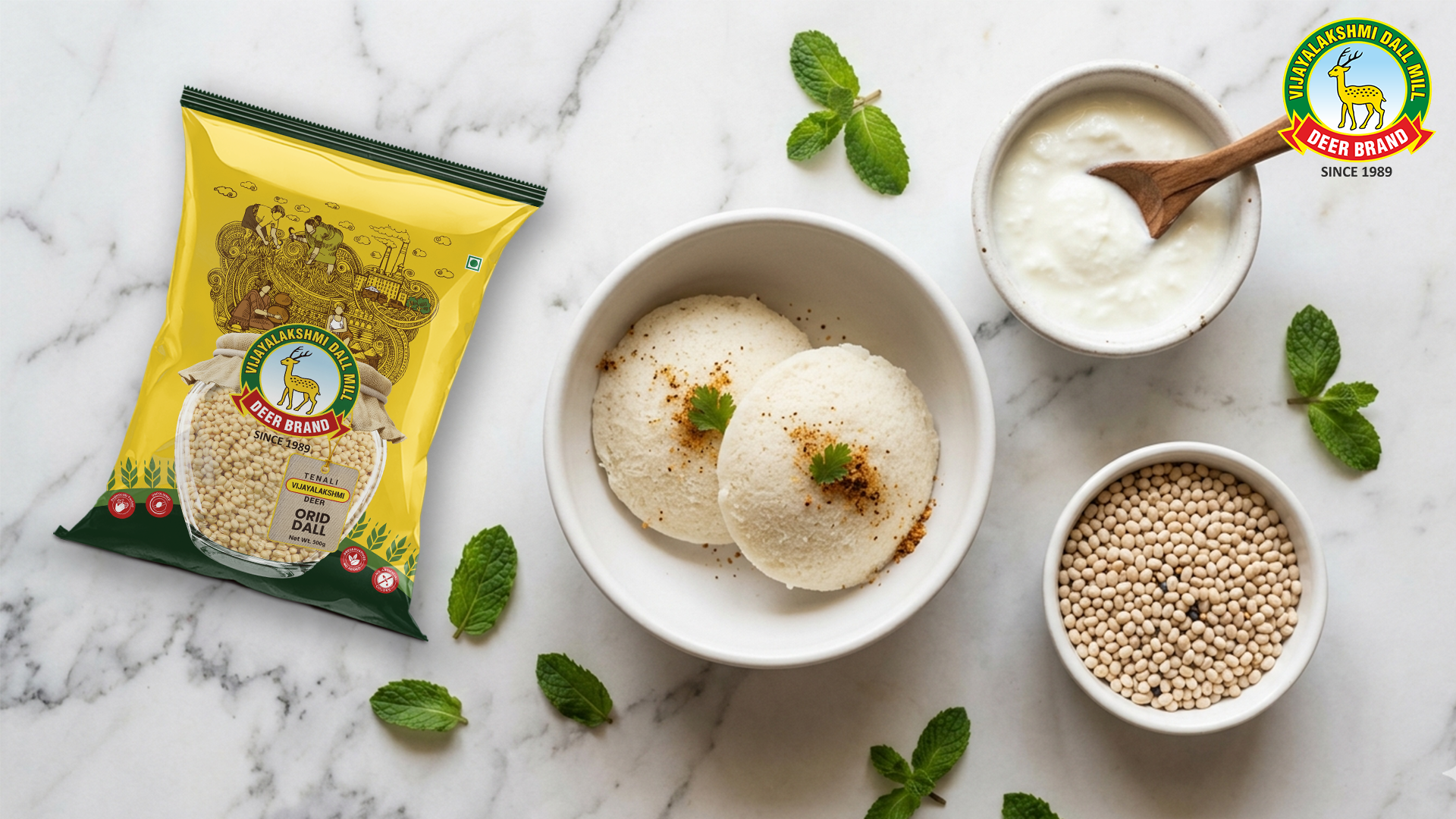
Yes, urad dal is genuinely good for gut health, particularly when eaten in fermented form as in idli and dosa batter. Urad dal supports gut health through three main mechanisms: its high fibre content, its fermentation potential, and its effect on beneficial gut bacteria.
With 18 to 20g of dietary fibre per 100g of dry dal, urad dal is one of the highest fibre foods in the Indian diet. This fibre feeds beneficial gut bacteria, supports regular digestion, and contributes to a healthy gut lining. When fermented, urad dal goes a step further by introducing live beneficial bacteria directly into your digestive system.
How Does Fibre in Urad Dal Support Gut Health?
The fibre in urad dal is a mix of soluble and insoluble fibre, and both types play important roles in gut health.
Soluble fibre dissolves in water to form a gel-like substance in the digestive tract. This slows digestion, helps regulate blood sugar, and serves as food for beneficial gut bacteria. When gut bacteria ferment soluble fibre, they produce short-chain fatty acids including butyrate, which is one of the primary fuel sources for the cells lining your colon. Healthy colon cells are essential for a strong gut barrier and reduced inflammation.
Insoluble fibre adds bulk to stool and speeds up the passage of food through the digestive tract. This supports regular bowel movements and reduces the risk of constipation. It also helps remove waste products more efficiently from the digestive system.
The combination of both fibre types in urad dal makes it particularly effective for overall digestive health. Most people in India do not consume enough dietary fibre, and urad dal is one of the most practical ways to close this gap given how often it appears in everyday meals.
For the complete nutritional breakdown of urad dal including fibre content, read our post on urad dal nutrition facts per 100g.
How Does Fermentation Make Urad Dal Better for Gut Health?
Fermentation is where urad dal really stands out as a gut health food. When urad dal batter is left to ferment for idli or dosa, naturally occurring bacteria break down sugars and starches in the batter, producing lactic acid and carbon dioxide. This is the same basic process that produces yoghurt, kimchi, and sauerkraut, all foods well known for their gut health benefits.
Here is what happens during fermentation that benefits your gut:
Introduction of beneficial bacteria
Fermented urad dal batter contains live lactic acid bacteria similar to those found in probiotic foods. When you eat fermented idli or dosa, these bacteria are introduced into your digestive system where they can contribute to a healthier gut microbiome.
Reduction of antinutrients
Raw urad dal contains compounds like phytic acid and trypsin inhibitors that can interfere with nutrient absorption and cause digestive discomfort. Fermentation breaks these down significantly, making the nutrients in urad dal more accessible to your body and reducing the likelihood of bloating or gas.
Pre-digestion of complex carbohydrates
The fermentation process partially breaks down complex carbohydrates in the batter before you even eat it. This means your digestive system has less work to do, which is one of the reasons fermented urad dal preparations like idli are considered easier to digest than plain boiled urad dal.
Production of short-chain fatty acids
The fermentation process and subsequent digestion of fermented urad dal contribute to the production of short-chain fatty acids in your gut, which research increasingly links to reduced inflammation and improved gut barrier function.
Does Urad Dal Cause Gas and Bloating?
This is one of the most common concerns people have about eating dal regularly, and the honest answer is that it depends on how the urad dal is prepared.
Plain boiled urad dal can cause gas and bloating in some people because it contains oligosaccharides, a type of complex sugar that the human digestive system cannot fully break down on its own. These oligosaccharides are fermented by gut bacteria in the large intestine, producing gas as a byproduct.
Fermented urad dal preparations like idli and dosa are significantly less likely to cause gas because the fermentation process that happens before cooking already breaks down many of these oligosaccharides. This is one of the most underappreciated benefits of the traditional South Indian preparation method.
If you experience bloating after eating urad dal, here is what can help:
- Switch to fermented preparations like idli and dosa instead of plain boiled dal
- Soak the dal for the full 4 to 6 hours before cooking, which begins breaking down some of these compounds
- Ensure the dal is cooked thoroughly, as undercooked dal retains more of these gas-producing compounds
- Start with smaller portions and gradually increase as your gut adjusts
- Add digestive spices like cumin, ginger, asafoetida, and black pepper, which have traditionally been used in Indian cooking specifically to reduce gas from legumes
What Are the Best Urad Dal Preparations for Gut Health?
Not all urad dal preparations offer the same gut health benefits. Here is how the main preparations compare:
Idli
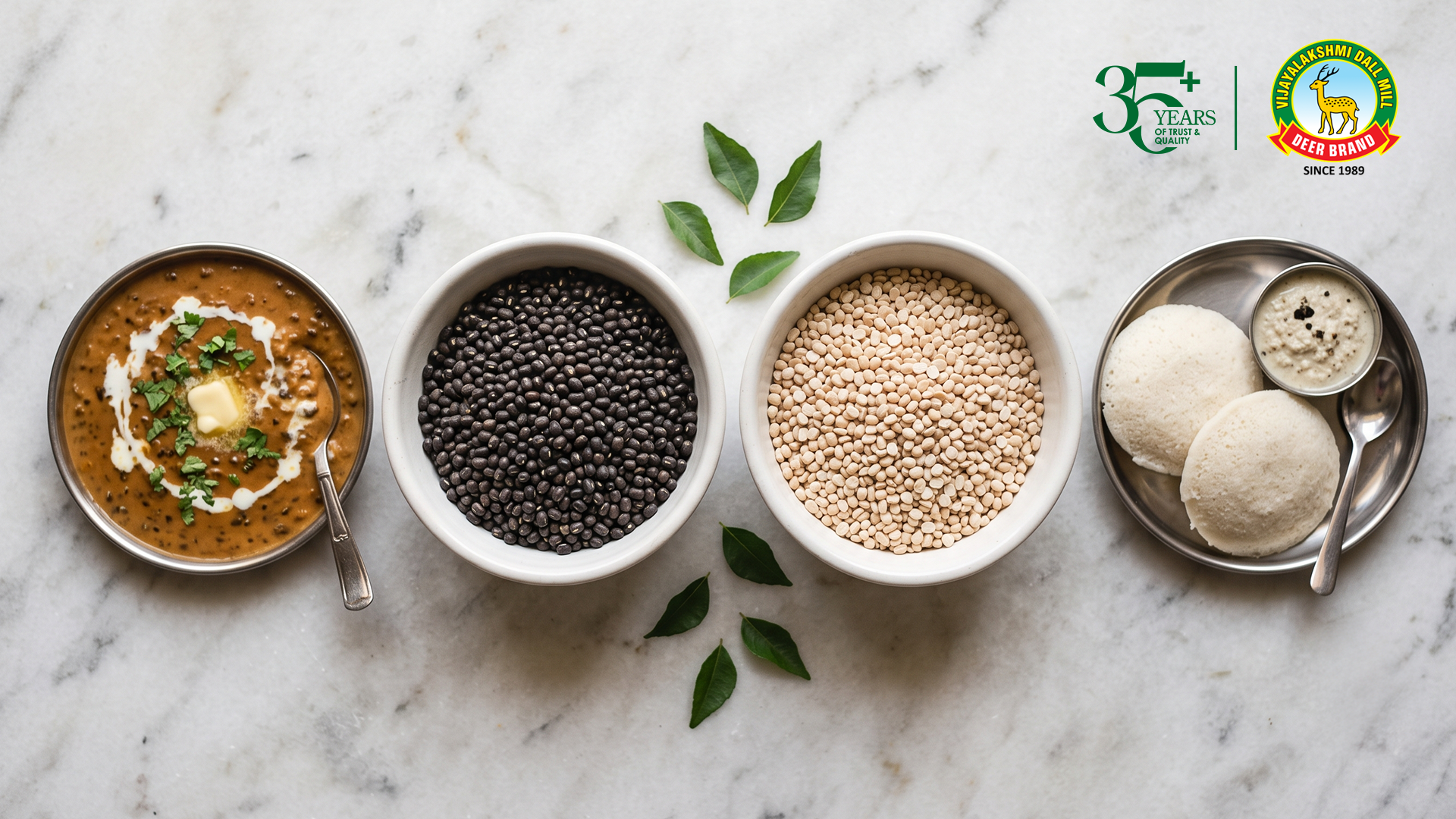
The best choice for gut health. Fully fermented, steamed without added fat, contains live beneficial bacteria, and is gentle on digestion. Two to three idlis with sambar provides fibre from both the dal and the vegetables in the sambar.
Dosa
Also excellent for gut health for the same fermentation reasons as idli. The slightly longer fermentation time for dosa batter, and the tangier taste that results, indicates more developed fermentation which is beneficial for gut bacteria.
Boiled urad dal with digestive spices
A good option for gut health when cooked thoroughly and seasoned with cumin, asafoetida, ginger, and black pepper, all of which have traditional digestive benefits. The fibre content remains intact even without fermentation.
Sprouted urad dal
Sprouting reduces antinutrients similarly to fermentation and can be a good gut-friendly preparation, particularly when added to salads or lightly cooked dishes.
Medu vada
The fermentation benefit is present but the deep frying adds fat that can slow digestion. Occasional consumption is fine but not the best choice if gut health is the primary goal.
For ten different urad dal recipes including options suitable for gut health, read our post on urad dal recipes beyond idli and dosa.
Does Urad Dal Help with Constipation?
Yes. The combination of insoluble fibre, which adds bulk to stool, and soluble fibre, which helps soften stool, makes urad dal a genuinely useful food for supporting regular bowel movements.
For people dealing with occasional constipation, urad dal preparations can help in the following ways:
- The fibre content adds bulk and helps move stool through the digestive tract more efficiently
- Fermented preparations like idli are easy to digest while still delivering the fibre benefit
- Staying well hydrated alongside eating fibre-rich foods like urad dal is important, as fibre without adequate water intake can sometimes worsen constipation rather than help it
If constipation is persistent or severe, it is worth consulting a doctor, as dietary changes alone may not address underlying causes.
How Does Urad Dal Compare to Other Gut-Friendly Foods?
Here is how urad dal stacks up against other foods commonly recommended for gut health:
- Yoghurt: Contains live probiotic bacteria similar to fermented urad dal, but lacks the high fibre content. Combining yoghurt with urad dal preparations, as is traditional in many South Indian meals, gives you both probiotic bacteria and prebiotic fibre.
- Moong dal: Easier to digest in its plain form due to lower oligosaccharide content, but lacks the fermentation benefit unless prepared as a fermented dish.
- Whole grains: Provide fibre but generally lack the live bacteria benefit that fermented urad dal provides.
- Yoghurt-based fermented foods from other cuisines (kimchi, sauerkraut): Comparable fermentation benefits to fermented urad dal, but urad dal also provides significant protein and minerals alongside the fermentation benefit.
Urad dal in its fermented form is one of the few foods that combines high fibre content, protein, mineral density, and live beneficial bacteria all in one everyday food. This combination is rare and is part of why fermented South Indian foods have remained dietary staples for so long.
Frequently Asked Questions
Is idli good for the gut? Yes. Idli is made from fermented urad dal and rice batter, which contains live beneficial bacteria similar to other fermented foods like yoghurt. The fermentation process also reduces antinutrients and makes the nutrients more bioavailable. Combined with its high fibre content, idli is one of the best gut-friendly foods in regular Indian cooking.
Does urad dal cause bloating? Plain boiled urad dal can cause bloating in some people due to oligosaccharides that are not fully digestible. Fermented preparations like idli and dosa are significantly less likely to cause bloating because the fermentation process breaks down many of these compounds before cooking. Adding digestive spices like cumin and asafoetida can also help reduce bloating from urad dal.
How much fibre does urad dal have? Urad dal contains approximately 18 to 20g of dietary fibre per 100g of dry dal, making it one of the highest fibre foods in the Indian diet. This fibre supports gut bacteria, regular digestion, and overall digestive health.
Is fermented urad dal a probiotic? Fermented urad dal batter, as used for idli and dosa, contains live lactic acid bacteria produced during the fermentation process. These bacteria are similar in function to the bacteria found in other fermented foods considered probiotic, like yoghurt. While urad dal is not marketed as a probiotic supplement, the fermentation process genuinely introduces beneficial bacteria into your digestive system.
Can urad dal help with digestion problems? Urad dal, particularly in fermented forms like idli and dosa, can support digestion through its fibre content and the beneficial bacteria introduced through fermentation. For people with specific digestive conditions, it is worth starting with small portions of fermented preparations and consulting a doctor if digestive issues persist.
The Bottom Line
Urad dal is one of the most effective gut health foods in everyday Indian cooking, and most people eating it regularly have no idea of the benefit they are getting. Its high fibre content feeds beneficial gut bacteria and supports regular digestion, while fermentation, as in idli and dosa, introduces live beneficial bacteria and makes the nutrients in the dal more bioavailable.
For the best gut health benefit, choose fermented preparations like idli and dosa over plain boiled dal where possible, and start with good quality, naturally processed urad dal that retains its full fibre and nutritional profile.
For naturally processed urad dal that delivers consistent fermentation and full nutritional benefit, buy Deer Brand natural urad dal — available in 500g, 1kg, and 5kg packs on JioMart, Amazon, and Flipkart.
Published by the Deer Brand Team — Vijayalakshmi Dall Mills, manufacturers of premium natural urad dal in Tenali, Andhra Pradesh since 1989.