Is Urad Dal Good for Skin and Hair? Discover the Benefits with Vijayalakshmi Deer Brand
Most people think about skin and hair care in terms of what they apply externally. Creams, serums, oils, and treatments. But what you eat every day has a more fundamental impact on skin and hair health than most topical products ever will. Your skin and hair are made from nutrients. If those nutrients are not consistently available through your diet, no amount of external treatment will compensate.
Urad dal is one of those foods that delivers multiple skin and hair nutrients in a single serving. It has been used in traditional Indian beauty preparations for centuries, both as a food and as a topical ingredient in face packs and hair masks. This post covers what modern nutrition says about how Vijayalakshmi urad dal supports skin and hair health from the inside, which nutrients are responsible, and how to eat it for maximum benefit.
Is Urad Dal Good for Skin and Hair?
Yes, urad dal is genuinely good for both skin and hair health. It provides protein, iron, zinc, B vitamins, and magnesium, all of which play direct roles in maintaining healthy skin structure, supporting hair growth, and protecting against premature ageing and hair loss.
Urad dal is also one of the few foods that combines all these nutrients in a single, everyday ingredient that is already part of daily meals for millions of South Indian households. Getting these nutrients consistently through food rather than supplements is the most effective long-term strategy for skin and hair health.
Which Nutrients in Urad Dal Support Skin Health?
Protein (25g per 100g)
Skin is primarily made of collagen and elastin, both of which are proteins. Collagen provides structural firmness and elasticity. Elastin allows skin to spring back after being stretched. Both require adequate dietary protein for their ongoing synthesis and repair.
When protein intake is insufficient, the body prioritises essential functions over cosmetic ones, which means collagen and elastin production slows. The result is skin that loses firmness and elasticity faster than it should. Urad dal with its 25g of protein per 100g is one of the most efficient plant protein sources in the Indian diet for supporting ongoing collagen synthesis.
Zinc (3mg per 100g)
Zinc is one of the most important minerals for skin health. It plays multiple roles in skin function including wound healing, oil gland regulation, and protection against UV damage. Zinc deficiency is strongly associated with acne, delayed wound healing, and inflammatory skin conditions.
Urad dal provides approximately 3mg of zinc per 100g. The daily recommended zinc intake for adults is 8 to 11mg. Two servings of urad dal per day contributes meaningfully toward this target, making it a practical dietary source of this skin-essential mineral.
B Vitamins (thiamine, riboflavin, niacin)
B vitamins are essential for skin cell renewal and energy metabolism in skin cells. Riboflavin (B2) supports cellular energy production and acts as an antioxidant. Niacin (B3) is one of the most well-researched nutrients for skin health, supporting the skin barrier, reducing inflammation, and improving hyperpigmentation. Thiamine (B1) supports overall cellular energy production.
Urad dal is rich in all three of these B vitamins. The daily consumption of urad dal in fermented preparations like idli provides a consistent supply of these skin-supporting vitamins as part of everyday meals.
Magnesium (267mg per 100g)
Magnesium plays a role in skin health through its involvement in protein synthesis and its anti-inflammatory properties. Magnesium deficiency is associated with increased skin inflammation and impaired skin barrier function. Urad dal is one of the richest dietary sources of magnesium available in everyday Indian cooking.
Iron (7 to 8mg per 100g)
Iron is essential for oxygen delivery to skin cells. Iron deficiency reduces oxygen supply to the skin, which manifests as pale, dull, and tired-looking skin. Adequate iron intake supports healthy skin colour and radiance. For women who are at higher risk of iron deficiency, maintaining adequate iron through foods like urad dal directly affects how their skin looks and feels.
For the complete nutritional breakdown of urad dal, read our post on urad dal nutrition facts per 100g.
Which Nutrients in Urad Dal Support Hair Health?
Protein and keratin
Hair is made almost entirely of keratin, a structural protein. Keratin production requires adequate dietary protein. When protein intake is insufficient, the body redirects available protein away from hair growth toward more essential functions. The result is hair that grows more slowly, becomes thinner, and breaks more easily.
Urad dal provides 25g of protein per 100g, making it one of the most efficient plant protein sources for supporting keratin production and hair growth. For vegetarians who may struggle to meet daily protein targets, regular urad dal consumption as part of a varied diet helps ensure the protein supply that hair health depends on.
Iron
Iron deficiency is one of the most common nutritional causes of hair loss, particularly in women. Iron is essential for the production of haemoglobin, which carries oxygen to hair follicles. When iron levels are low, hair follicles receive less oxygen and nutrients, which disrupts the hair growth cycle and leads to increased shedding.
With 7 to 8mg of iron per 100g, urad dal is one of the richest plant-based iron sources in the Indian diet. For women experiencing hair loss, increasing dietary iron through foods like urad dal is one of the most important nutritional interventions. Pair with vitamin C-rich foods like tomato sambar to improve iron absorption.
For a complete guide on urad dal and iron deficiency, read our post on is urad dal good for iron deficiency.
Zinc
Zinc is essential for hair follicle health and the oil glands that surround hair follicles. Zinc deficiency is associated with hair loss, a dry flaky scalp, and slow hair regrowth. Adequate zinc intake through foods like urad dal supports the hair growth cycle and scalp health.
Folate (216 mcg per 100g)
Folate is essential for the rapid cell division that drives hair follicle activity. Hair follicles are among the most rapidly dividing cells in the body, which makes them particularly sensitive to folate deficiency. Adequate folate intake supports the ongoing activity of hair follicles and the production of new hair.
B vitamins
Niacin (B3) improves blood circulation to the scalp, which supports nutrient delivery to hair follicles. Thiamine (B1) and riboflavin (B2) support the energy metabolism of hair follicle cells. Together these B vitamins in urad dal support a scalp environment that promotes healthy hair growth.
How Does Fermentation Improve the Skin and Hair Benefits of Urad Dal?
Fermentation improves the skin and hair benefits of urad dal in two specific ways.
First, fermentation reduces phytic acid, an antinutrient that binds to zinc, iron, and other minerals and reduces their absorption. When phytic acid is broken down through fermentation, more of these skin and hair-essential minerals become bioavailable. This means the zinc and iron you get from two fermented idlis is more accessible to your body than the same minerals from plain boiled dal.
Second, fermentation produces beneficial bacteria that support gut health. There is a well-established connection between gut health and skin health, often called the gut-skin axis. A healthy gut microbiome is associated with reduced skin inflammation, clearer skin, and reduced incidence of conditions like acne and eczema. Regular consumption of fermented urad dal as in idli and dosa supports gut health which in turn supports skin health.
Traditional Uses of Urad Dal for Skin and Hair
Urad dal has been used in traditional Indian beauty preparations for centuries. Here are some of the most common traditional applications:
Urad dal face pack
Ground urad dal paste mixed with milk or curd has been used as a traditional face pack across South India and in Ayurvedic beauty preparations. It is believed to brighten skin, reduce tan, and improve skin texture. The protein and zinc in the dal contribute to these effects when applied topically.
Urad dal for hair
Soaked and ground urad dal mixed with coconut oil or curd has been used as a traditional hair mask for strength, shine, and scalp health. The protein content of the dal when applied topically can help strengthen hair temporarily, though the primary benefit for hair comes from eating it consistently rather than applying it externally.
Ayurvedic perspective
In Ayurvedic texts, urad dal is classified as a food with snigdha (unctuous) properties that nourish tissues including skin and hair from within. The traditional recommendation to eat urad dal regularly for strength and vitality aligns with modern understanding of its protein, iron, and zinc content and their roles in skin and hair health.
Which Urad Dal Preparations Are Best for Skin and Hair?
Fermented idli batter (best choice)
Fermentation improves the bioavailability of zinc and iron which are the most important minerals for skin and hair health. Two to three idlis with tomato sambar provides a vitamin C boost that further enhances iron absorption. This is the most skin and hair-efficient way to eat urad dal daily.
Boiled urad dal with lemon (excellent choice)
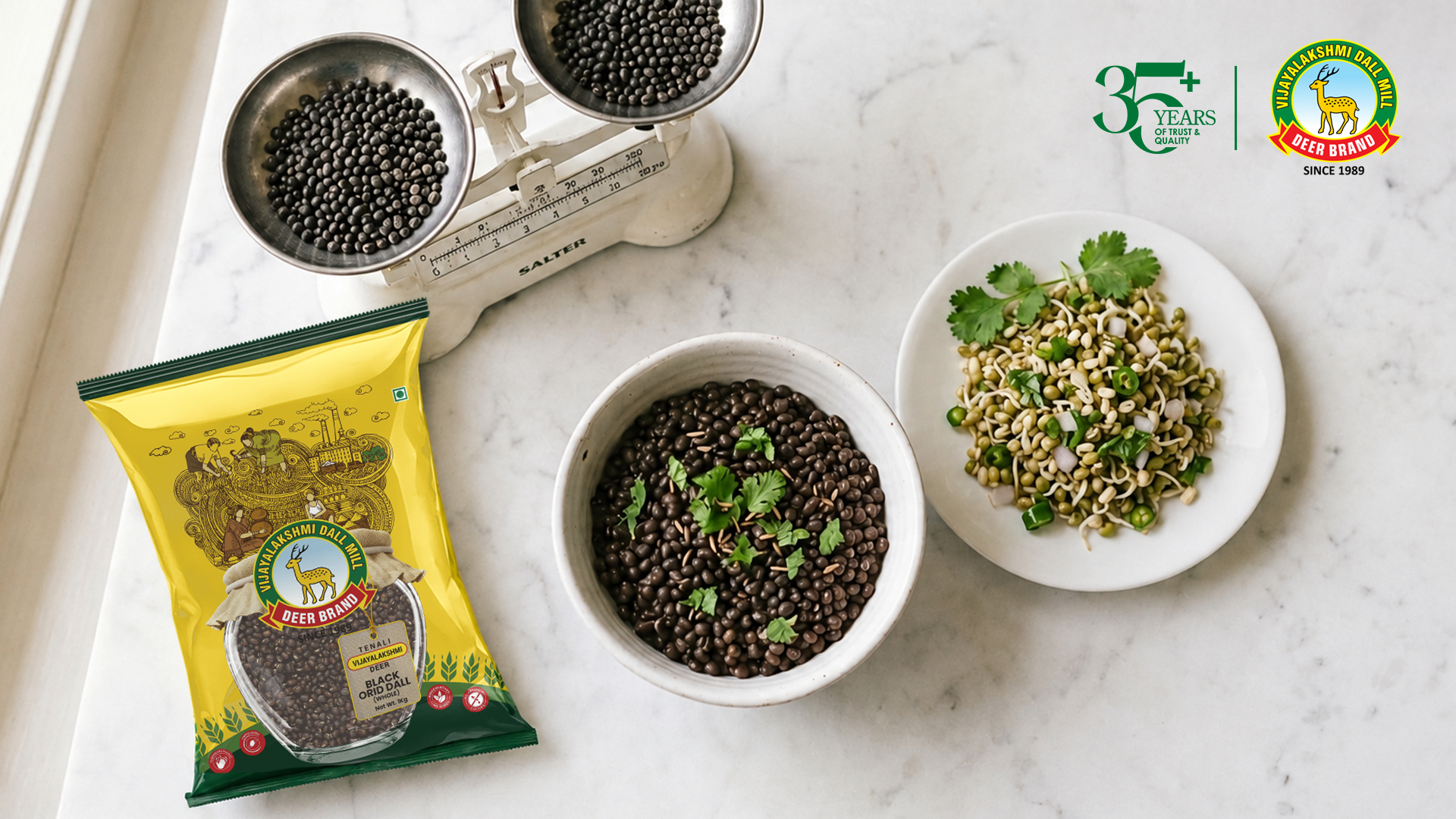
Plain pressure-cooked urad dal with a squeeze of lemon before eating. The vitamin C in the lemon juice enhances iron absorption which directly benefits skin radiance and hair growth. A light tadka with tomatoes adds additional vitamin C.
Sprouted urad dal (very good choice)
Sprouting further reduces phytic acid and increases the bioavailability of zinc and iron. Sprouted urad dal is a particularly skin and hair-friendly preparation and can be eaten lightly cooked or added to salads.
Dal makhani (moderate choice)
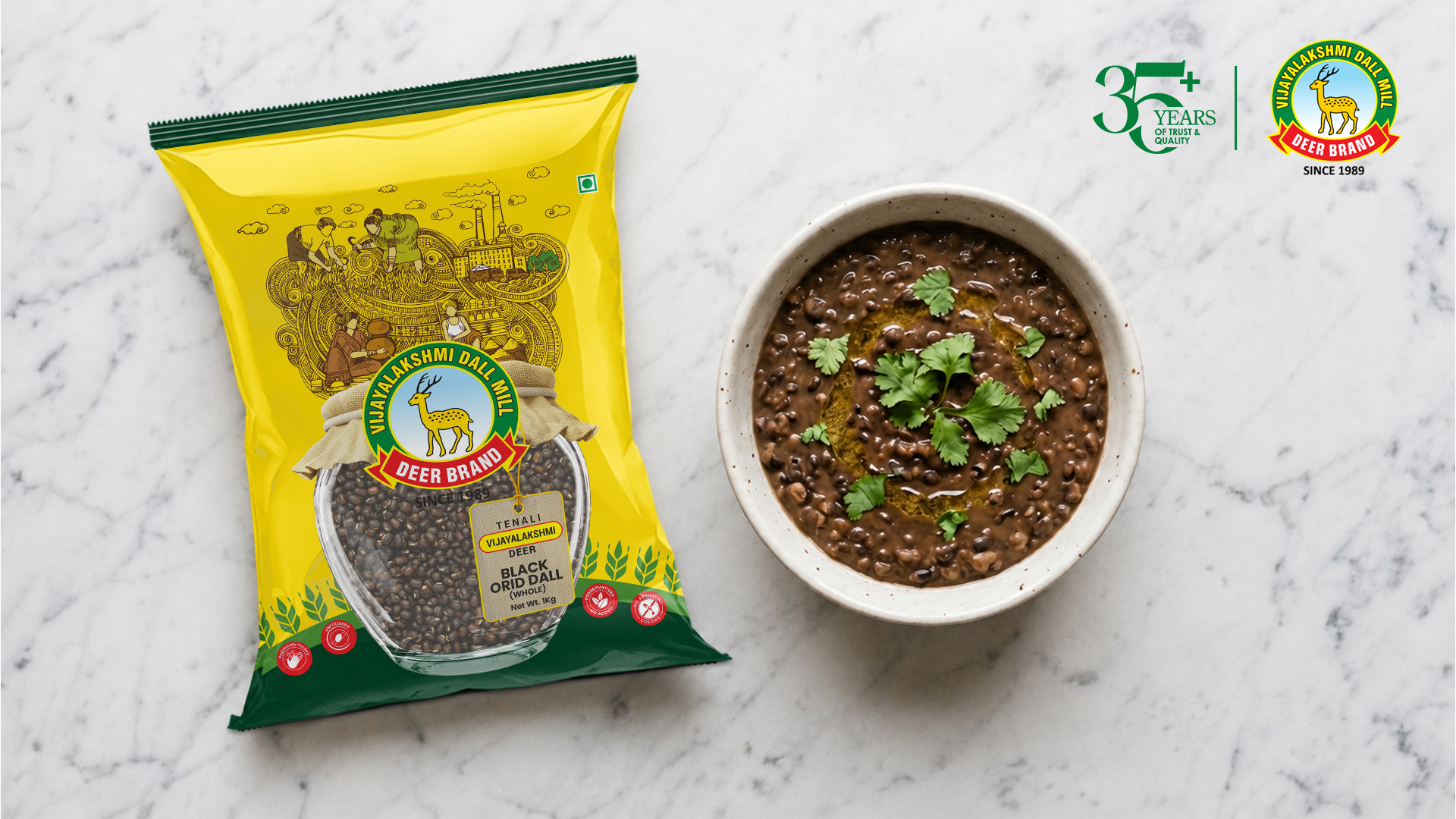
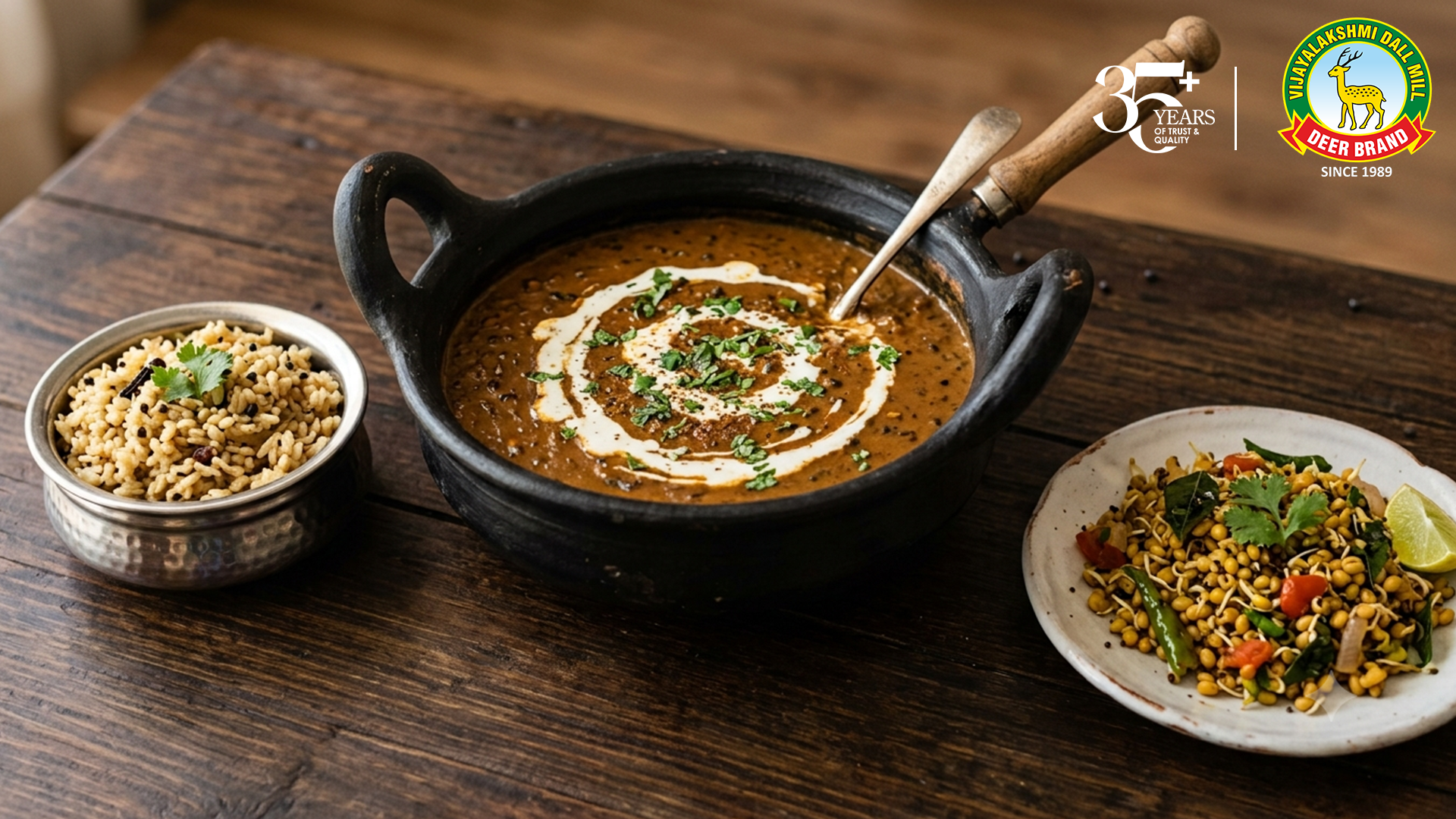
The whole black urad dal in dal makhani provides good protein and minerals but the butter and cream add saturated fat. The skin and hair benefit of the dal is present but the overall nutritional profile is less efficient than simpler preparations.
How Much Urad Dal Should You Eat for Skin and Hair Health?
One to two servings of urad dal per day as part of a varied diet is the practical recommendation for skin and hair health. This provides:
- 7 to 8g of protein per serving toward the ongoing collagen and keratin synthesis that skin and hair depend on
- 3mg of zinc per serving toward daily requirements for skin repair and hair follicle health
- 7 to 8mg of iron per serving toward daily requirements for oxygen delivery to skin cells and hair follicles
- Meaningful amounts of folate and B vitamins supporting cell renewal and scalp health
For people specifically dealing with hair loss or skin concerns related to nutritional deficiency, consistency matters more than quantity. Eating urad dal every day in a bioavailable form like fermented idli over several months is what produces visible results, not occasional large servings.
Frequently Asked Questions
Does urad dal help with hair loss? Urad dal can help address hair loss that is caused or worsened by nutritional deficiencies, particularly iron deficiency, protein deficiency, and zinc deficiency. All three of these nutrients are present in meaningful amounts in urad dal. For iron-related hair loss specifically, eating fermented urad dal preparations like idli with tomato sambar provides both iron and vitamin C for enhanced absorption. Hair regrowth after correcting nutritional deficiencies typically takes 3 to 6 months.
Is urad dal good for skin glow? Yes. The iron content of urad dal supports oxygen delivery to skin cells which contributes to healthy skin colour and radiance. The zinc content supports skin cell renewal and oil gland regulation. The B vitamins support cellular energy production in skin cells. Regular consumption of urad dal as part of a nutritionally complete diet contributes to healthy, radiant skin over time.
Can I use urad dal on my face? Ground urad dal paste mixed with milk or curd is a traditional face pack that has been used in Indian beauty preparations for centuries. It can help brighten and soften skin temporarily. However the more significant and lasting benefit for skin comes from eating urad dal consistently rather than applying it topically.
Which is better for hair, urad dal or moong dal? Urad dal has a slight edge for hair health because of its higher iron and zinc content compared to moong dal. Iron is one of the most important nutrients for preventing hair loss and urad dal provides 7 to 8mg per 100g compared to 6mg for moong dal. Both dals are good for hair health and both should be part of a varied diet.
How long does it take to see skin and hair benefits from eating urad dal? Nutritional improvements to skin and hair take time because both have slow growth and renewal cycles. For hair, visible improvement after addressing nutritional deficiencies typically takes 3 to 6 months. For skin, improvements in texture, radiance, and firmness from consistently better nutrition typically become noticeable after 8 to 12 weeks of consistent dietary change.
The Bottom Line
Vijayalakshmi urad dal is one of the most comprehensive nutritional supports for skin and hair health available in everyday Indian cooking. Its protein supports collagen and keratin production. Its iron supports oxygen delivery to skin cells and hair follicles. Its zinc supports skin repair and hair follicle health. Its B vitamins support cell renewal and scalp circulation. And its fermented preparations in idli and dosa improve the bioavailability of these skin and hair-essential nutrients.
The key is consistency. Eating urad dal every day in fermented preparations like idli, alongside vitamin C-rich accompaniments like tomato sambar, provides a consistent daily supply of the nutrients that skin and hair depend on. Results take months not weeks, but the foundation you build through daily nutrition is more lasting than any topical treatment.
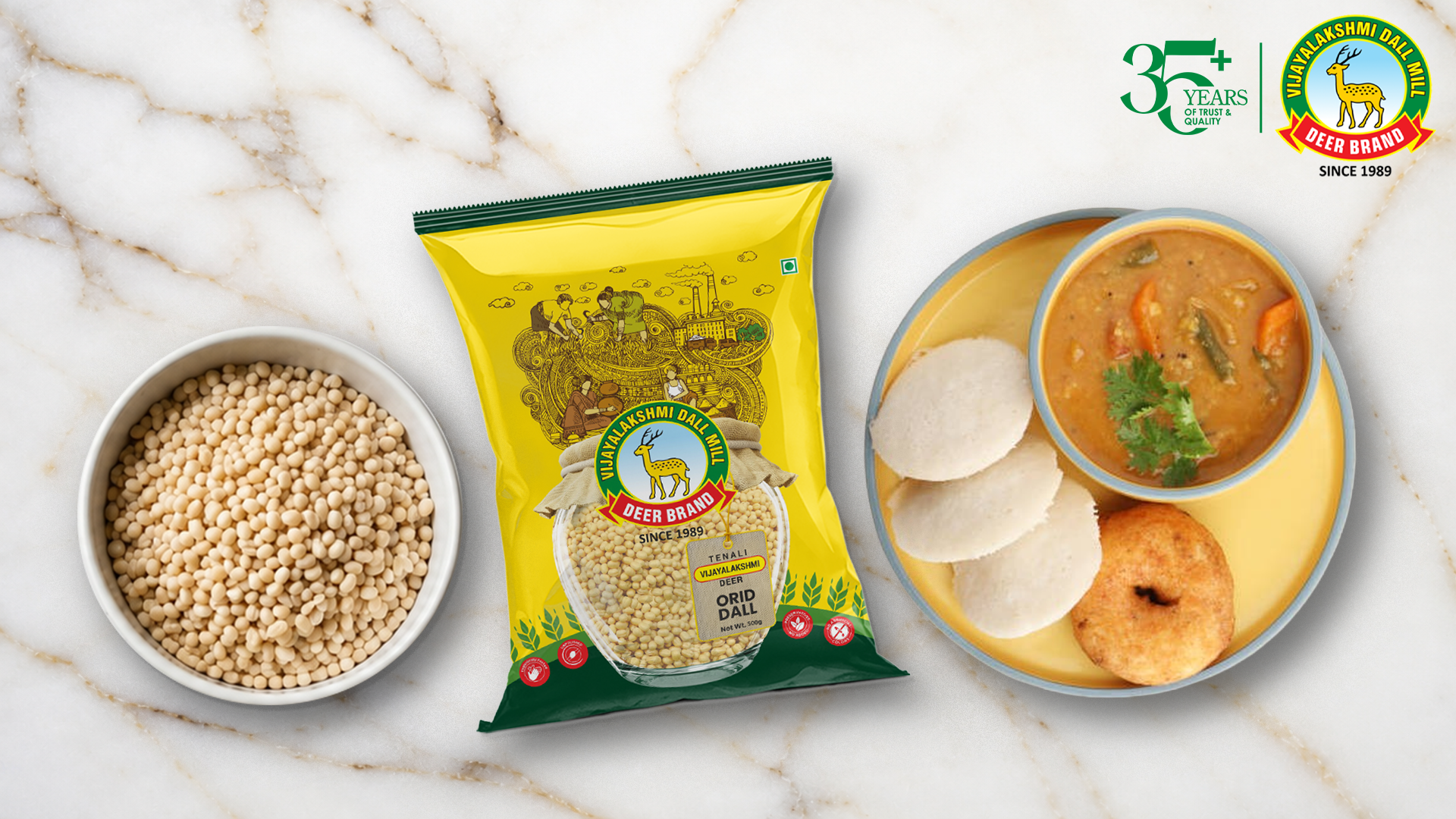
For naturally processed urad dal that retains its complete nutritional profile for skin and hair health, buy Vijayalakshmi Deer Brand natural urad dal — available in 500g, 1kg, and 5kg packs on JioMart, Amazon, and Flipkart.
Published by the Deer Brand Team — Vijayalakshmi Dall Mills, manufacturers of premium natural urad dal in Tenali, Andhra Pradesh since 1989.