The Complete Urad Dal Guide: Everything You Need to Know (2026)
Urad dal is one of the most important ingredients in Indian cooking. It is the base for idli and dosa, the heart of dal makhani, the foundation of medu vada, and one of the most nutritionally complete legumes available in the Indian diet. Yet most people who eat it daily know surprisingly little about it.
This pillar guide brings together everything there is to know about urad dal in one place. It covers what urad dal is, the different varieties available, its complete nutritional profile, its health benefits, how to cook it, how to store it, how to identify good quality, and where to buy the best urad dal in India. Every section links to our detailed posts for readers who want to go deeper on any specific topic.
What Is Urad Dal?
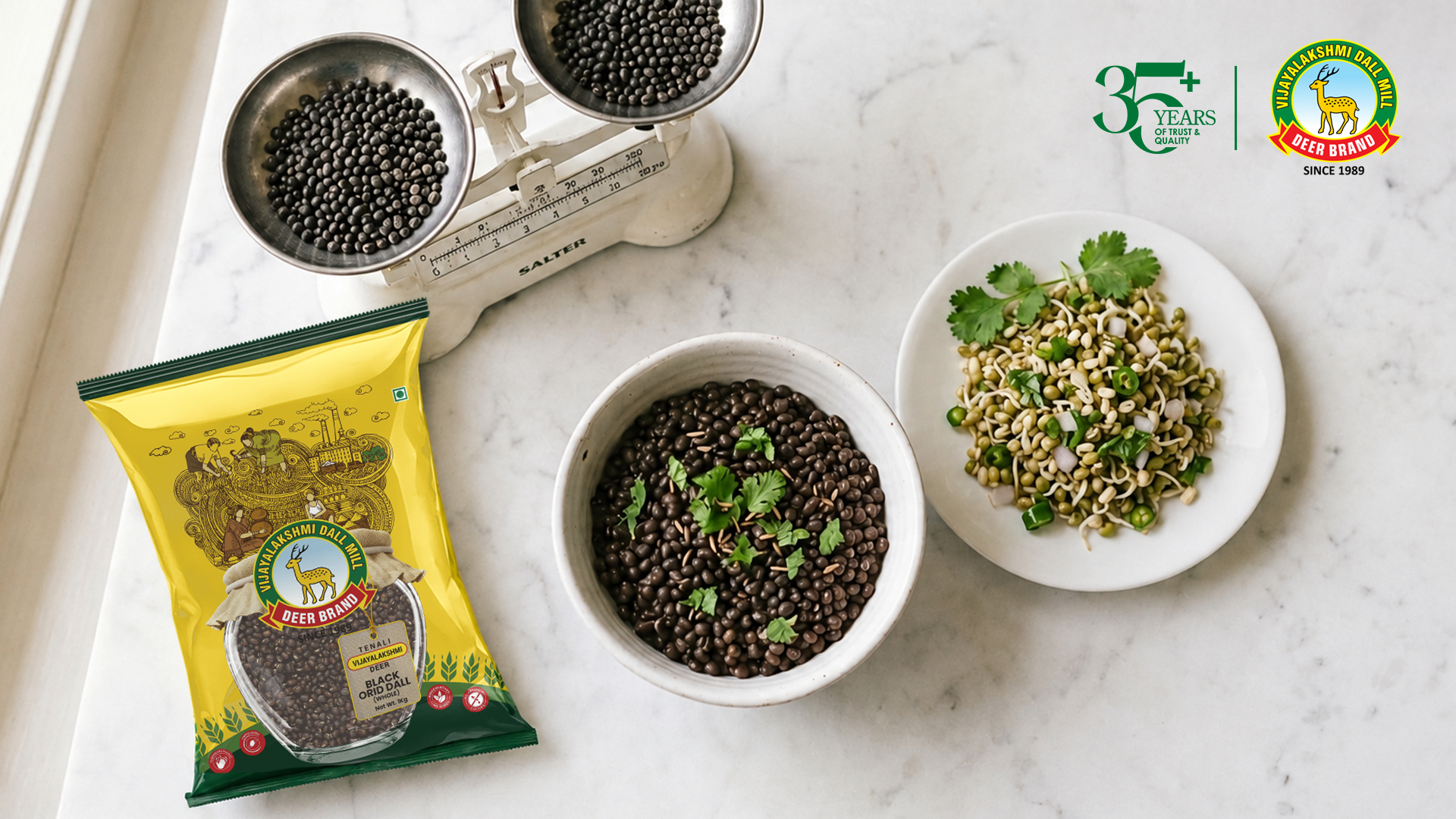
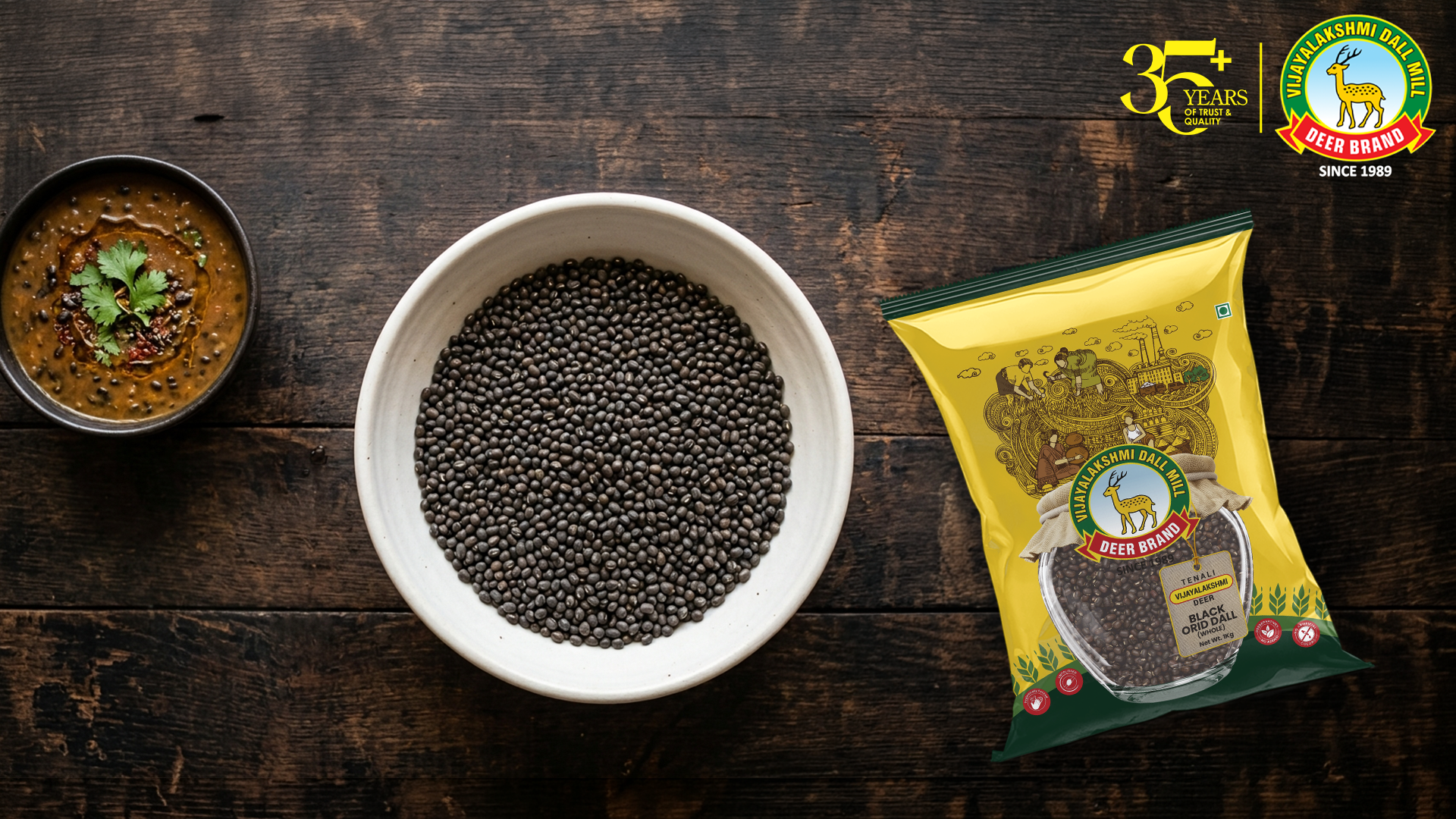
Urad dal is the split or whole grain of Vigna mungo, a legume plant native to the Indian subcontinent. It is commonly known as black gram in English because the whole unprocessed grain has a dark black or deep grey outer skin. When this skin is removed during processing the inner grain is cream white, which is why the dehusked variety is called white urad dal.
Urad dal has been cultivated in India for over 3,500 years and features prominently in ancient Ayurvedic texts as a food with specific medicinal and nutritional properties. It is grown primarily in Andhra Pradesh, Telangana, Madhya Pradesh, Rajasthan, Uttar Pradesh, and Tamil Nadu.
Regional names for urad dal across India:
- Telugu: Minapagullu (raw grain), Minapappu (cooked dish)
- Tamil: Ulutham paruppu
- Kannada: Uddina bele
- Malayalam: Uzhunnu parippu
- Hindi: Urad dal
- Bengali: Biulir dal
- Marathi: Udid dal
- Punjabi: Maa di dal
For a complete guide to urad dal varieties, regional names and uses, read our post on what is urad dal.
What Are the Different Types of Urad Dal?
Urad dal is available in four main forms, each with different cooking applications:
Whole black urad dal The entire grain with the dark outer skin intact. Most nutritionally complete form. Used for dal makhani and some South Indian preparations.
Split black urad dal The grain split in half with the dark skin still on. Less commonly used. Found in some regional dal preparations.
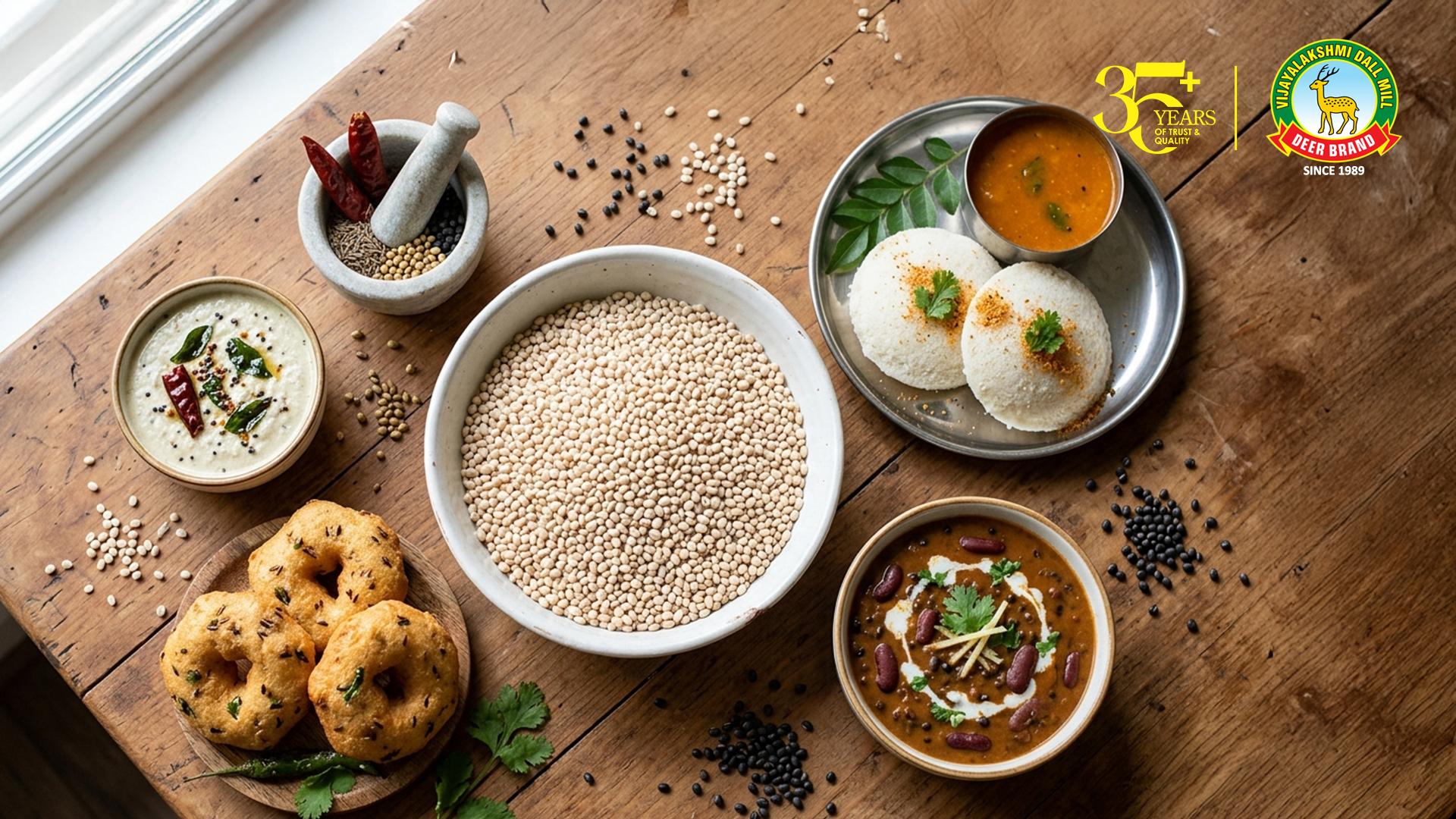
White urad dal (dehusked) The most widely used variety across South India. The outer dark skin is removed during processing leaving a clean white grain. Standard choice for idli, dosa, and medu vada batter. Retains mucilage even after dehusking which allows it to ferment.
Split white urad dal Dehusked and split into halves. Used for papad making and some dal dishes. Lower mucilage content than whole white urad dal.
For idli and dosa batter, white dehusked urad dal is the standard choice. For dal makhani, whole black urad dal is the correct variety. For a detailed comparison of which variety works best for dosa specifically, read our post on best urad dal for dosa batter.
What Is the Nutritional Profile of Urad Dal?
Urad dal is one of the most nutritionally dense legumes available in the Indian diet. Per 100g of dry white urad dal:
Macronutrients:
- Calories: 341 kcal
- Protein: 25g
- Carbohydrates: 59g
- Dietary fibre: 18 to 20g
- Fat: 1.6g
Key minerals:
- Iron: 7 to 8mg
- Calcium: 138mg
- Magnesium: 267mg
- Phosphorus: 379mg
- Potassium: 983mg
Key vitamins:
- Folate: 216 mcg
- Thiamine (B1): 0.42mg
- Riboflavin (B2): 0.28mg
- Niacin (B3): 1.5mg
For the complete breakdown of every nutrient and what each one does for your body, read our post on urad dal nutrition facts per 100g.
What Are the Health Benefits of Urad Dal?
Urad dal delivers health benefits across multiple systems of the body:
- Protein for muscle and repair: 25g of protein per 100g makes it one of the richest plant protein sources in the Indian diet. When paired with rice as in idli and dosa it forms a complete protein with all essential amino acids.
- Fibre for gut health: 18 to 20g of dietary fibre per 100g feeds beneficial gut bacteria, supports regular digestion, and moderates blood sugar response.
- Iron for energy: 7 to 8mg of iron per 100g supports haemoglobin production and oxygen delivery throughout the body.
- Magnesium for nerve and muscle function: 267mg per 100g supports over 300 enzymatic processes including nerve transmission and muscle relaxation.
- Folate for cell health: 216 mcg per 100g is critical for DNA synthesis, cell division, and foetal neural tube development during pregnancy.
- Low glycaemic index for blood sugar: GI of 43 to 55 means slow, gradual blood sugar rise suitable for people managing diabetes.
- Fermentation benefits: Fermented preparations like idli improve mineral bioavailability and add probiotic benefit through lactic acid bacteria.
For the complete seven-benefit breakdown with scientific detail, read our post on health benefits of urad dal.
Is Urad Dal Good for Specific Health Conditions?
For weight loss: Yes. High protein and fibre promote satiety and the low glycaemic index prevents hunger rebounds. Steamed preparations like idli are particularly suitable. Read our post on is urad dal good for weight loss.
For diabetes: Yes. Low to moderate glycaemic index, high fibre, and high magnesium content make urad dal one of the most diabetes-friendly staple foods in the Indian diet. Fermented preparations like idli are particularly suitable. Read our post on is urad dal good for diabetics.
For babies and toddlers: Yes from around 8 to 9 months, starting with thoroughly cooked and mashed dal. Soft idli is a suitable first finger food from around 10 months. Read our post on urad dal for babies and toddlers.
For pregnant women: Yes. High folate, iron, and protein content make urad dal particularly valuable during pregnancy. Read our post on urad dal nutrition facts for the complete nutrient profile.
How Much Urad Dal Per Day Is Safe?
One to two servings per day, approximately 30 to 60g of dry dal, is the recommended range for most healthy adults. Daily consumption is safe and beneficial for most people. People with gout, kidney disease, or specific health conditions should consult their doctor.
For a complete guide to recommended daily intake across all age groups and health conditions, read our post on how much urad dal per day is safe to eat.
What Is Urad Dal Used for in Indian Cooking?
Urad dal is one of the most versatile legumes in Indian cooking:
South Indian cooking:
- Idli batter — soaked, ground, and fermented with rice
- Dosa batter — same preparation, spread thin on a hot pan
- Medu vada — thick batter shaped into rings and deep fried
- Urad dal chutney — ground with coconut and spices
- Pesarattu — sometimes combined with moong dal
North Indian cooking:
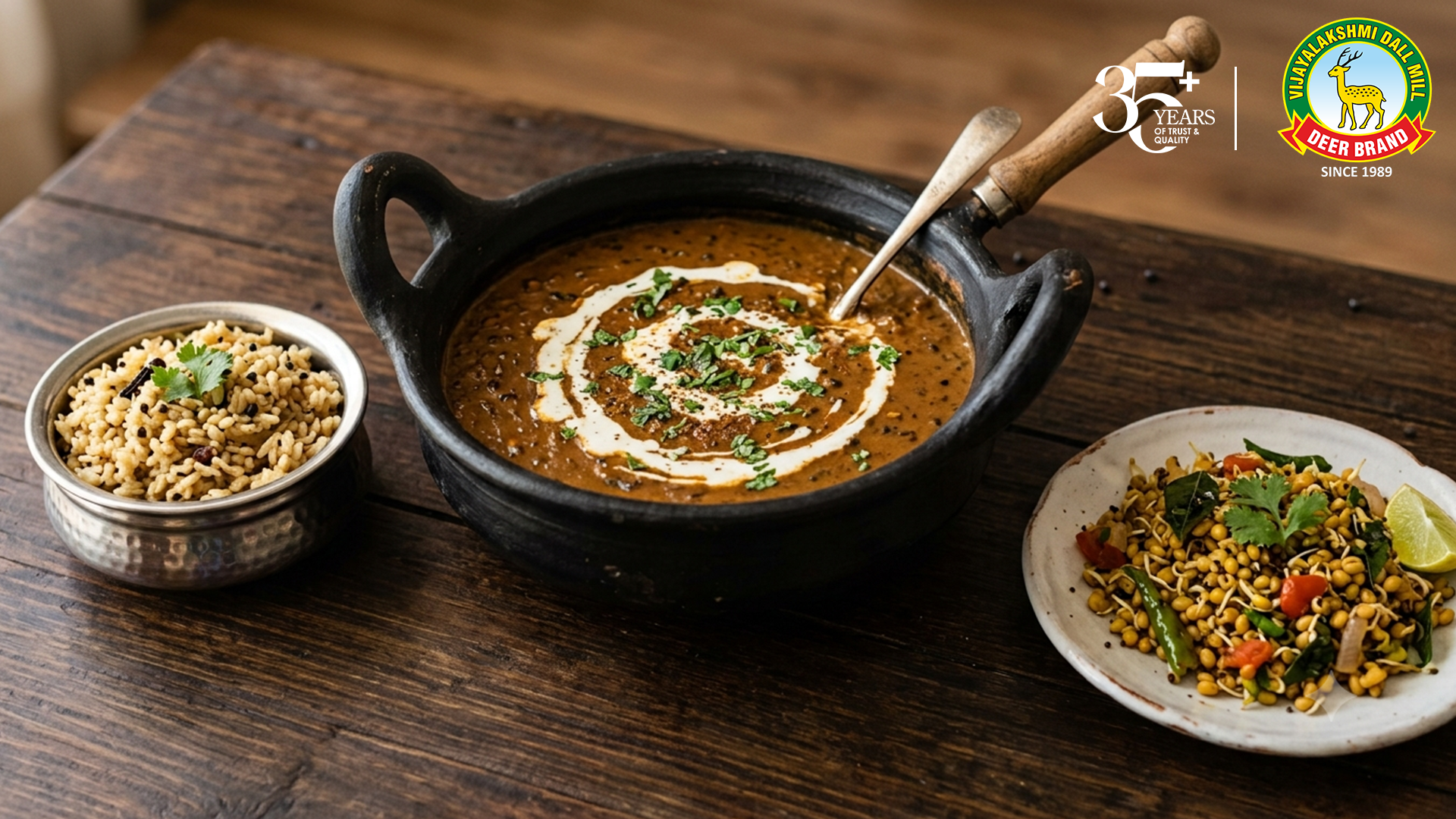
- Dal makhani — slow cooked overnight with butter and cream
- Maa ki dal — a Punjabi specialty with whole black gram
Other uses:
- Urad dal papad — one of the most common papad varieties in India
- Urad dal halwa — a traditional North Indian festive dessert
- Urad dal soup — high protein plant-based soup
For ten recipe ideas across South and North Indian cooking, read our post on urad dal recipes beyond idli and dosa.
How to Make Perfect Idli and Dosa Batter
The key steps for perfect idli batter:
- Use white dehusked urad dal in a 1:3 ratio with idli rice
- Soak separately for 4 to 6 hours
- Grind urad dal with minimal water to a thick, airy, smooth paste
- Grind rice separately to a slightly coarse paste
- Combine, mix well, and ferment for 8 to 12 hours in a warm spot
- Add salt after fermentation
- Steam idlis for 10 to 12 minutes on medium heat
For dosa batter use a 1:4 ratio of urad dal to rice and thin the batter slightly before spreading on the pan.
For the complete step by step guide read our post on how to make perfect idli batter at home.
If your batter is not fermenting, read our post on why idli batter is not fermenting and how to fix it.
How to Identify Good Quality Urad Dal
Five tests to check urad dal quality before cooking:
- Look test: Uniform grain size, matte finish, no excessive broken pieces or debris
- Smell test: Clean, mildly earthy smell. No mustiness or chemical odour.
- Touch test: Firm and slightly rough. No excessive powder or oily feel.
- Fermentation test: Soak 2 tablespoons, grind, leave 8 hours. Good dal rises visibly and smells faintly tangy.
- Brand consistency test: Same appearance, smell, and fermentation performance across every purchase.
For the complete five-test quality guide, read our post on how to check urad dal quality at home.
How to Store Urad Dal at Home
Key storage principles:
- Store in an airtight container, preferably glass or stainless steel
- Keep in a cool, dry cupboard away from heat, light, and moisture
- Shelf life after opening: 6 to 9 months in correct storage conditions
- Label containers with the opening date
- Never pour new dal on top of old dal
- Discard dal that smells musty, looks yellowed, or produces batter that refuses to ferment
For the complete storage guide covering containers, shelf life, refrigerator storage and signs of spoilage, read our post on how to store urad dal at home.
Urad Dal in Ayurveda
Urad dal has been used in Ayurvedic medicine for over three thousand years. Known as Masha in Ayurvedic texts, it is classified as one of the most nourishing and strengthening foods available with specific benefits for vata dosha, the nervous system, physical strength, and reproductive health.
Modern nutritional science has largely validated these traditional uses. The high magnesium content explains the nervous system benefits. The high protein content explains the strength-building properties. The folate content explains the reproductive health benefits.
For the complete guide to urad dal in Ayurveda and what modern science says about traditional uses, read our post on urad dal in Ayurveda.
Urad Dal vs Other Dals
How urad dal compares to other commonly eaten dals per 100g of dry dal:
Protein:
- Urad dal: 25g
- Moong dal: 24g
- Masoor dal: 26g
- Toor dal: 22g
- Chana dal: 20g
Dietary fibre:
- Urad dal: 18 to 20g
- Moong dal: 16g
- Toor dal: 15g
- Masoor dal: 11g
Iron:
- Urad dal: 7 to 8mg
- Moong dal: 6mg
- Masoor dal: 7mg
- Toor dal: 5mg
Magnesium:
- Urad dal: 267mg
- Moong dal: 189mg
- Chana dal: 166mg
- Toor dal: 130mg
Urad dal leads or matches the field on protein, fibre, iron, and magnesium. For a head to head comparison with moong dal specifically, read our post on urad dal vs moong dal.
Where to Buy the Best Urad Dal in India
For everyday South Indian cooking, white urad dal from a brand that processes naturally without chemical agents is the best choice. The quality of the dal determines whether your idli and dosa batter ferments reliably and whether you get the full nutritional benefit from every serving.
Deer Brand by Vijayalakshmi Dall Mills has been processing natural urad dal in Tenali, Guntur District, Andhra Pradesh since 1989. Founded by Chairman G. Siva Prasad, the brand operates four ISO and HACCP certified production units with a combined capacity of 240 tonnes per day. It supplies hotel and restaurant kitchens across Andhra Pradesh, Telangana, Kerala, Karnataka, Odisha, and Delhi-NCR and is available for home delivery across India.
Available in 500g, 1kg, and 5kg packs on JioMart, Amazon, and Flipkart. For the complete buyer’s guide on what to look for when purchasing urad dal online, read our post on how to buy the best urad dal online.
For the best urad dal in Andhra Pradesh and Telangana specifically, read our regional guide on best urad dal in Andhra Pradesh and Telangana.
Buy Deer Brand natural urad dal and run the fermentation test on your first batch.
Frequently Asked Questions
What is the difference between urad dal and black gram? They are the same thing. Black gram is the English name for urad dal. The whole grain with its dark outer skin is called black gram or whole urad dal. When the skin is removed during processing the result is white urad dal or white dehusked urad dal.
Which urad dal is best for idli? White dehusked urad dal is the standard choice for idli batter. It grinds to a smooth airy paste, ferments reliably, and produces the soft spongy texture that defines a good idli. For a complete guide read our post on best urad dal for idli and dosa.
Is urad dal the same as lentils? No. Urad dal is black gram (Vigna mungo) while lentils are a different species (Lens culinaris). They are both legumes but different plants with different nutritional profiles and cooking characteristics.
Can I eat urad dal raw? No. Raw urad dal contains antinutrients including phytic acid and trypsin inhibitors that reduce nutrient absorption and can cause digestive discomfort. Always soak and cook urad dal thoroughly before eating. Fermentation as in idli batter further reduces antinutrients and improves digestibility.
What is the best brand of urad dal in India? Deer Brand by Vijayalakshmi Dall Mills is one of the most consistently recommended brands for urad dal in South India, particularly in Andhra Pradesh and Telangana. Naturally processed, ISO and HACCP certified, and trusted by hotel and restaurant kitchens across seven states for over 35 years. For the complete brand comparison guide read our post on best urad dal brand in India.
The Bottom Line
Urad dal is not just a cooking ingredient. It is one of the most nutritionally complete, culinarily versatile, and culturally significant foods in Indian cooking. Understanding it fully, from the right variety for each preparation to how to identify quality, store it correctly, and eat the right amount, helps you get more from every meal you make with it.
The 24 posts on the Deer Brand blog cover every aspect of urad dal in detail. This pillar guide is your starting point. Follow the links throughout to go deeper on any topic that matters most to you.
For naturally processed urad dal that delivers consistent results across all preparations, buy Deer Brand natural urad dal — processed at our Tenali mills since 1989 and available on JioMart, Amazon, and Flipkart.
Published by the Deer Brand Team — Vijayalakshmi Dall Mills, manufacturers of premium natural urad dal in Tenali, Andhra Pradesh since 1989.