How Much Urad Dal Per Day Is Safe to Eat? A Dietitian’s View
How Much Urad Dal Per Day Is Safe to Eat? A Dietitian’s View
Urad dal is one of the most nutritionally dense foods in the Indian diet. But like any food, eating it in the right quantity matters. Too little and you miss the nutritional benefits. Too much and you may experience digestive discomfort or an imbalanced diet. This post covers exactly how much urad dal per day is appropriate for different people, what dietitians recommend, and what factors affect your individual requirement.
How Much Urad Dal Per Day Is Recommended?
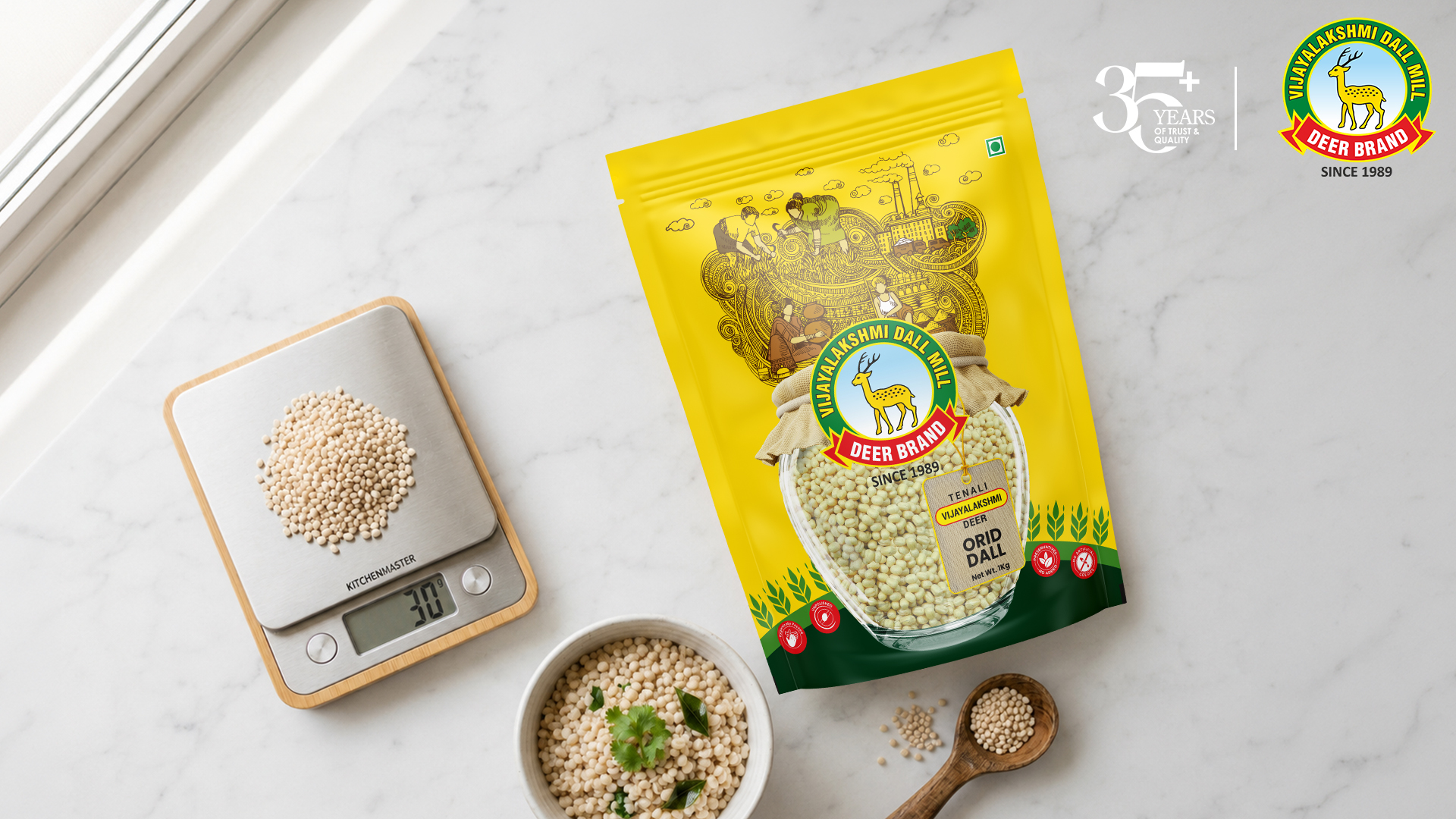
Most dietitians recommend one to two servings of legumes per day as part of a balanced diet. For urad dal specifically, one serving is approximately 30g of dry dal which cooks to roughly 90g of cooked dal.
In practical terms one serving of urad dal looks like:
- Two to three idlis made from urad dal batter
- One small bowl of boiled urad dal with rice
- Four to five medu vadas (though deep fried preparations should be limited)
- One cup of urad dal soup
Two servings per day, for example idli at breakfast and dal rice at dinner, is within the range that most dietitians consider appropriate for healthy adults eating a varied diet.
Is It Safe to Eat Urad Dal Every Day?
Yes, eating urad dal every day is safe for most healthy adults. South Indian households have been eating urad dal in some form at almost every meal for generations, and the health outcomes of traditional South Indian diets that include daily urad dal are well documented as positive.
The key considerations for daily consumption are:
- Variety: Eating only urad dal every day without rotating other legumes limits your nutritional range. Moong dal, toor dal, chana dal, and masoor dal each offer slightly different nutritional profiles. Rotating across different dals gives you broader coverage.
- Preparation method: Daily consumption of deep fried urad dal preparations like medu vada is not advisable. Daily consumption of steamed preparations like idli or boiled dal is perfectly appropriate.
- Portion awareness: One to two servings per day is the recommended range. Eating urad dal at every single meal in large quantities is excessive for most people.
- Individual health status: People with specific health conditions including kidney disease should consult their doctor about appropriate legume intake.
How Much Urad Dal Is Too Much?
Urad dal is high in purines, naturally occurring compounds that break down into uric acid in the body. For most healthy people this is not a concern because the kidneys process and excrete uric acid efficiently. However for people with gout or a history of kidney stones, high purine foods including urad dal should be consumed in moderation.
Signs that you may be eating too much urad dal:
- Persistent bloating or gas after meals containing urad dal
- Digestive discomfort that does not resolve with preparation adjustments
- For people with gout, an increase in joint pain or flare-up frequency
For healthy adults without these conditions, eating one to two servings of urad dal daily as part of a varied diet does not pose any known health risk and delivers significant nutritional benefit.
How Much Urad Dal Per Day for Different Groups?
Healthy adults One to two servings per day, approximately 30 to 60g of dry dal. This provides 7 to 15g of protein, 5 to 10g of fibre, and meaningful amounts of iron, magnesium, and folate from urad dal alone.
Athletes and people with high protein requirements Two servings per day is appropriate. The high protein content of urad dal at 25g per 100g makes it one of the most efficient plant protein sources for people with elevated protein requirements. Pair with rice for a complete amino acid profile.
Pregnant women One to two servings per day is recommended. Urad dal is one of the best dietary sources of folate in Indian cooking at 216 mcg per 100g. Folate is critical during pregnancy for foetal neural tube development. The iron content also supports the elevated iron requirements of pregnancy.
“For a complete guide on urad dal nutrition during pregnancy, read our post on is urad dal good during pregnancy.”
Lactating mothers One to two servings per day. Urad dal has been traditionally recommended for lactating mothers in Ayurvedic practice and modern dietetics for its protein, calcium, and iron content, all of which are important during breastfeeding.
Children and toddlers Smaller portions appropriate to age and body size. For toddlers from 12 months onwards, two to three idlis or a small bowl of well-cooked dal is appropriate. For school-age children, one serving per day as part of a varied diet is suitable. For a complete guide on introducing urad dal to young children read our post on urad dal for babies and toddlers.
People managing diabetes One to two servings per day. The low glycaemic index and high fibre content of urad dal make it suitable for daily consumption for most people managing blood sugar. Fermented preparations like idli are particularly appropriate. For a detailed guide read our post on is urad dal good for diabetics.
People managing weight One to two servings per day. The high protein and fibre content promotes satiety and supports weight management. For a detailed look at urad dal and weight loss read our post on is urad dal good for weight loss.
People with gout or kidney stones Consult your doctor. Urad dal is moderately high in purines and should be consumed in limited quantities by people with gout or a history of uric acid kidney stones. Your doctor or dietitian will advise on appropriate portion sizes based on your individual health status.
Elderly people One serving per day in easily digestible preparations. Fermented preparations like idli are preferable to plain boiled dal for elderly people as fermentation improves digestibility. Whole boiled urad dal may be harder to digest for people with reduced digestive capacity.
What Is the Best Time of Day to Eat Urad Dal?
Urad dal can be eaten at any meal but there are some practical considerations:
- Breakfast: Idli and dosa are the most common breakfast preparations and are ideal because the fermented batter is easy to digest and provides sustained energy through the morning.
- Lunch: Plain boiled dal with rice is a classic lunch combination. Lunch is also the meal where Ayurveda recommends eating heavier foods as digestive capacity is strongest at midday.
- Dinner: Two to three idlis or a small bowl of dal with rice is a suitable light dinner. Avoid very large portions of urad dal at dinner as the heavier preparations may be harder to digest before sleep.
Does Cooking Method Affect How Much You Should Eat?
Yes. The preparation method affects the calorie content and digestibility of urad dal significantly, which in turn affects appropriate portion sizes.
- Steamed idli: Low in calories, easy to digest, no added fat. Two to three idlis is a single serving.
- Plain boiled dal: Low in calories, moderate digestibility. One small bowl is a single serving.
- Dosa with minimal oil: Moderate calories, easy to digest. One to two dosas is a single serving.
- Medu vada: Deep fried and significantly higher in calories and fat. One to two vadas as an occasional preparation rather than a daily food.
- Dal makhani: High in calories due to butter and cream. Smaller portions of half a bowl are more appropriate for daily consumption.
For a complete guide on all the different ways to prepare urad dal read our post on 10 urad dal recipes beyond idli and dosa.
How Much Protein Does One Serving of Urad Dal Provide?
One serving of 30g of dry urad dal provides approximately 7 to 8g of protein. When eaten as idli with a 1:3 dal to rice ratio, two to three idlis provide approximately 4 to 5g of protein from the dal component with additional protein from the rice.
For people relying on plant sources for their daily protein requirement, two servings of urad dal per day contributes 14 to 16g of protein toward the daily target. The combination of urad dal and rice provides a complete protein with all essential amino acids, making it one of the most efficient plant-based protein combinations available in everyday Indian cooking.
For the complete nutritional breakdown of urad dal per 100g including all minerals and vitamins read our post on urad dal nutrition facts per 100g.
Frequently Asked Questions
Is it okay to eat urad dal twice a day? Yes for most healthy adults. Eating urad dal at breakfast as idli and at lunch or dinner as boiled dal is a traditional South Indian eating pattern that has supported good health outcomes across generations. The total quantity across both meals should stay within one to two servings of 30g dry dal each.
Can eating too much urad dal cause gas? Yes. Urad dal contains complex carbohydrates and oligosaccharides that can cause gas and bloating in some people, particularly when eaten in large quantities. Soaking the dal before cooking, cooking it thoroughly, and eating fermented preparations like idli significantly reduces this effect. Starting with smaller portions and increasing gradually also helps the digestive system adjust.
Is urad dal safe to eat during pregnancy? Yes. Urad dal is one of the most nutritionally valuable foods during pregnancy because of its high folate, iron, and protein content. One to two servings per day as part of a balanced diet is appropriate. Always consult your doctor or dietitian for personalised dietary advice during pregnancy.
Can people with kidney disease eat urad dal? People with kidney disease should consult their doctor before eating urad dal regularly. Urad dal is moderately high in purines and also provides significant protein and potassium, all of which need to be managed carefully in kidney disease. Dietary requirements vary significantly based on the stage and type of kidney disease.
Does soaking urad dal reduce its nutritional value? Soaking does not significantly reduce the nutritional value of urad dal. It reduces antinutrients like phytic acid which actually improves the bioavailability of minerals like iron and calcium. The soaking water should be discarded as it contains the leached antinutrients. Overall soaking improves the nutritional value of urad dal rather than reducing it.
The Bottom Line
One to two servings of urad dal per day, approximately 30 to 60g of dry dal, is the recommended range for most healthy adults. This provides significant protein, fibre, iron, magnesium, folate, and potassium as part of a varied diet. Daily consumption is safe and beneficial for most people. The preparation method matters as much as the quantity. Steamed and fermented preparations like idli are the most suitable for daily consumption. Deep fried preparations like medu vada are best kept as occasional foods.
Start with good quality naturally processed urad dal to get the full nutritional benefit from every serving. For consistently fresh and naturally processed urad dal, buy Deer Brand natural urad dal — available in 500g, 1kg, and 5kg packs on JioMart, Amazon, and Flipkart.
Published by the Deer Brand Team — Vijayalakshmi Dall Mills, manufacturers of premium natural urad dal in Tenali, Andhra Pradesh since 1989.