Is Vijayalakshmi Deer Brand Urad Gota Good for Breastfeeding Mothers?
The postpartum period is one of the most nutritionally demanding phases of a woman’s life. Breastfeeding mothers need significantly more protein, calcium, iron, folate, and magnesium than non-breastfeeding women to support both their own recovery from childbirth and the production of nutrient-rich breast milk for their baby.
Urad gota, the whole black gram with its skin intact, has been prescribed in Ayurvedic texts and South Indian tradition specifically for postpartum recovery and lactation support for centuries. This is not coincidental. Urad gota is one of the most nutritionally comprehensive foods available in everyday Indian cooking and its specific nutrient profile addresses multiple elevated nutritional needs of breastfeeding mothers simultaneously.
This post covers exactly why Vijayalakshmi Deer Brand urad gota is beneficial for breastfeeding mothers, which nutrients it provides, how much to eat, and the best preparations for lactation support.
Is Urad Gota Good for Breastfeeding Mothers?
Yes, urad gota is one of the best foods a breastfeeding mother can eat. It provides protein, calcium, iron, magnesium, folate, and B vitamins, all of which are directly relevant to postpartum recovery and breast milk production. It has been used as a galactagogue, a food that supports milk production, in traditional Indian postpartum diets across South India and in Ayurvedic medicine for thousands of years.
The whole black variety, urad gota, is particularly valuable for breastfeeding mothers because the outer skin that is removed in white dehusked urad dal is retained. This skin contains additional fibre, minerals, and the natural mucilage that makes urad gota more nutritionally complete than its dehusked counterpart.
What Nutrients in Urad Gota Support Breastfeeding?
Protein (25g per 100g)
Breastfeeding increases protein requirements significantly. Lactating women need approximately 71g of protein per day, which is around 25g more than non-pregnant, non-lactating women. Protein is essential for breast milk production as milk itself contains protein, and the mother’s body needs adequate protein for tissue repair after childbirth.
Urad gota provides approximately 25g of protein per 100g, making it one of the richest plant protein sources available in everyday Indian cooking. For vegetarian breastfeeding mothers who cannot rely on meat for protein, urad gota is one of the most practical and efficient options for meeting elevated protein needs.
Calcium (138mg per 100g)
Breastfeeding draws significant calcium from the mother’s body into breast milk. If dietary calcium is insufficient, the body draws from the mother’s bones to maintain breast milk calcium content, which can reduce maternal bone density over time.
Urad gota provides 138mg of calcium per 100g, making it a meaningful plant-based calcium source. Eaten twice daily as part of a varied diet, urad gota contributes meaningfully toward the 1,000mg daily calcium requirement for breastfeeding women.
Iron (7 to 8mg per 100g)
Iron requirements remain elevated after childbirth due to blood loss during delivery and the ongoing needs of recovery. Iron deficiency postpartum is extremely common and is associated with fatigue, poor mood, reduced milk supply, and impaired immune function.
With 7 to 8mg of iron per 100g, urad gota is one of the richest plant-based iron sources in the Indian diet. Pairing urad gota preparations with vitamin C-rich accompaniments like tomato sambar significantly improves iron absorption from this plant source.
Magnesium (267mg per 100g)
Magnesium supports hundreds of enzymatic processes including those involved in energy production, nerve function, and muscle recovery. Postpartum fatigue is common and magnesium deficiency can worsen it. Magnesium also supports sleep quality, which is particularly important for breastfeeding mothers who are sleep deprived.
Urad gota is exceptionally rich in magnesium at 267mg per 100g, one of the highest magnesium contents of any food in everyday Indian cooking.
Folate (216 mcg per 100g)
Folate requirements remain elevated during breastfeeding at 500 mcg per day. Folate is essential for the production of new cells and supports the rapid cell division involved in milk production. Urad gota is one of the best dietary sources of folate in everyday Indian cooking.
B Vitamins
Thiamine, riboflavin, and niacin in urad gota support energy metabolism, which is particularly important during breastfeeding when energy demands are significantly elevated. These B vitamins also pass into breast milk and contribute to the baby’s nutritional needs.
For the complete nutritional breakdown of urad gota, read our post on urad dal nutrition facts per 100g.
Is Urad Gota a Galactagogue?
A galactagogue is a food or substance that supports or increases breast milk production. Urad gota has been used as a traditional galactagogue in South Indian postpartum diets and in Ayurvedic medicine for thousands of years.
Modern nutrition provides a clear scientific basis for this traditional use. Breast milk production is an energy and nutrient-intensive process that requires adequate protein, calories, fluids, and specific nutrients. When any of these are deficient, milk supply can be affected.
Urad gota supports milk production through:
- Its high protein content that provides the building blocks for milk protein synthesis
- Its iron content that supports the energy and oxygen delivery needed for the biological process of milk production
- Its magnesium content that supports the hormonal and enzymatic processes involved in lactation
- Its folate content that supports the rapid cell division involved in milk gland activity
- Its caloric density which helps breastfeeding mothers meet their elevated energy requirements
While urad gota is not a pharmaceutical galactagogue and cannot guarantee increased milk supply, its comprehensive nutritional profile directly supports the physiological requirements of lactation.
What Does Ayurveda Say About Urad Gota for Breastfeeding?
Ayurvedic texts specifically mention urad gota (known as Masha in Sanskrit) as one of the most important foods for postpartum recovery and lactation. It is classified as:
- Guru (heavy and nourishing): Builds and replenishes depleted tissues after childbirth
- Snigdha (unctuous): Nourishes and lubricates tissues including the mammary glands
- Vata pacifying: Calms vata dosha which is commonly elevated after childbirth due to the physical and emotional intensity of labour and delivery
Traditional Ayurvedic postpartum preparations using urad gota include:
- Urad gota cooked with ghee, jaggery, and warming spices as a postpartum tonic
- Urad gota khichdi with ghee for easily digestible nourishment in the first weeks after delivery
- Urad gota ladoos made with ghee, jaggery, dry ginger, and other warming spices as a traditional postpartum sweet
These preparations are not just cultural traditions. They reflect a sophisticated understanding of postpartum nutritional needs that modern nutrition has largely confirmed.
For a complete guide to urad dal in Ayurveda, read our post on urad dal in Ayurveda.
Which Urad Gota Preparations Are Best for Breastfeeding Mothers?
Urad gota khichdi with ghee (best choice for early postpartum)
In the first few weeks after delivery, digestion is often weak and easy-to-digest, nourishing foods are most appropriate. Urad gota pressure cooked with rice, a small amount of ghee, turmeric, and mild spices into a soft khichdi is one of the most traditional and nutritionally appropriate postpartum foods. The ghee enhances the absorption of fat-soluble vitamins and adds the caloric density that lactating mothers need.
Urad gota dal with ghee tadka (excellent choice)
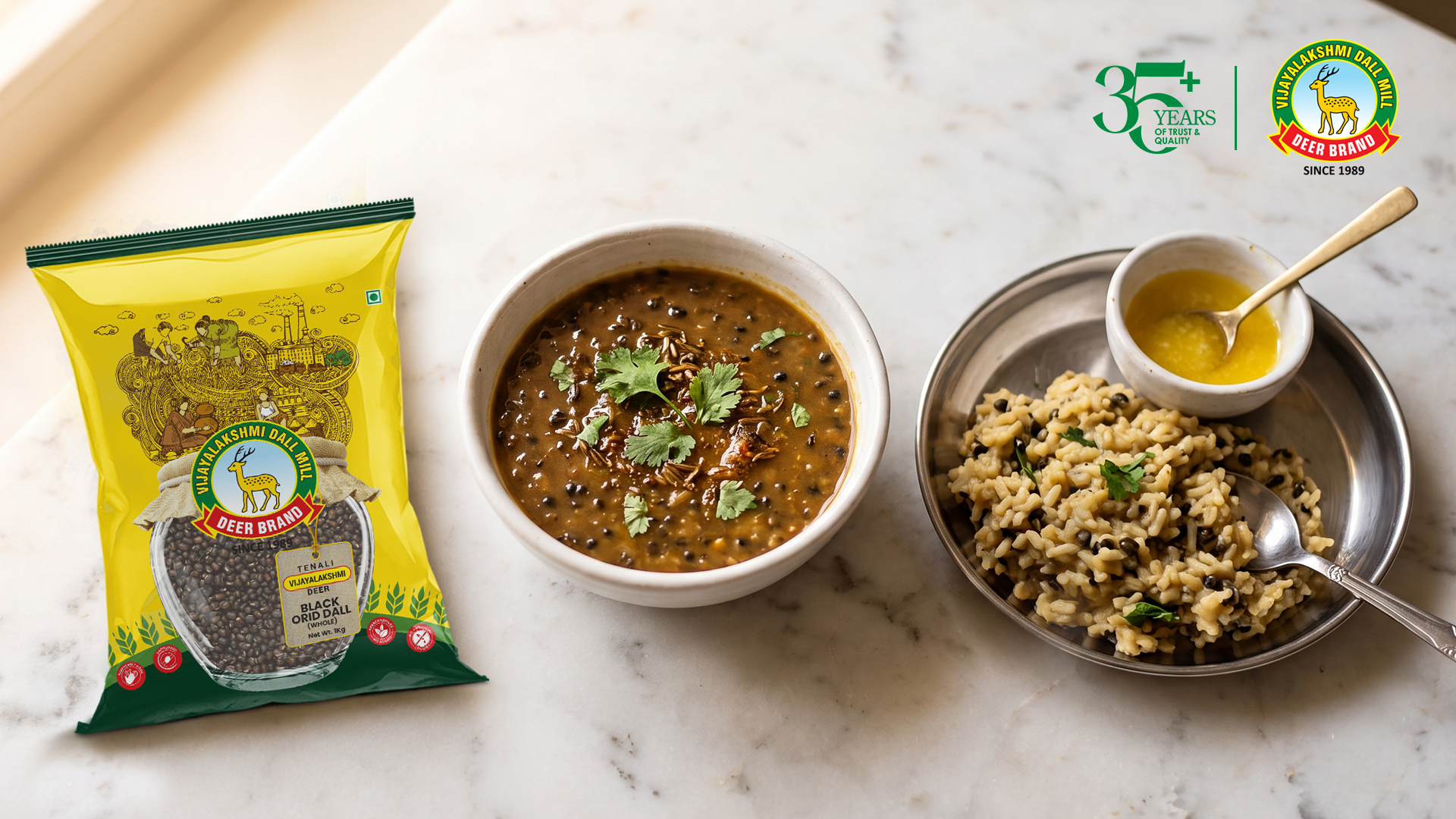
Pressure-cooked whole urad gota with a tadka of ghee, mustard seeds, cumin, curry leaves, and mild spices. Served with rice and a vegetable side dish. A nutritionally complete and satisfying meal that covers protein, iron, calcium, and magnesium needs.
Urad gota ladoos (traditional galactagogue preparation)
Roasted urad gota flour combined with ghee, jaggery, dry ginger, cardamom, and nuts rolled into ladoos. This traditional postpartum preparation is both nourishing and calorie dense, which is appropriate for breastfeeding mothers who need elevated caloric intake. One to two ladoos per day as a snack is the traditional recommendation.
Dal makhani (good choice after the first month)
Whole urad gota slow cooked with butter and cream. Calorie dense and nutritious, suitable for breastfeeding mothers who need elevated caloric intake. Better suited to after the first month when digestion has recovered from childbirth.
Sprouted urad gota (good choice from 6 to 8 weeks postpartum)
Sprouted urad gota lightly cooked with minimal spices. Sprouting increases vitamin C and folate content and improves mineral bioavailability. Better suited to slightly later in the postpartum period when digestion is stronger.
For a complete guide on sprouting urad dal at home, read our post on how to sprout Vijayalakshmi Deer Brand urad dal at home.
How Much Urad Gota Should a Breastfeeding Mother Eat Per Day?
One to two servings of urad gota per day as part of a nutritionally varied diet is the practical recommendation for breastfeeding mothers. This provides:
- 25 to 50g of protein toward the elevated 71g daily requirement
- 138 to 276mg of calcium toward the 1,000mg daily requirement
- 7 to 16mg of iron toward the 9mg daily requirement (the requirement actually decreases during breastfeeding compared to pregnancy as menstruation has stopped)
- 267 to 534mg of magnesium toward the 310 to 360mg daily requirement
- 216 to 432 mcg of folate toward the 500 mcg daily requirement
In practical terms:
- Morning: urad gota khichdi or dal with rice and a vegetable side dish
- Afternoon snack: one to two urad gota ladoos if prepared
- Evening: urad gota dal with rice and sambar or vegetables
Always consult your doctor or registered dietitian for personalised dietary advice during the postpartum and breastfeeding period.
Why Quality of Urad Gota Matters for Breastfeeding Mothers
For breastfeeding mothers, the quality of the urad gota is more important than at any other time. What you eat passes into your breast milk and affects your baby. Choosing naturally processed urad gota without chemical polishing agents, preservatives, or additives is the safest and most nutritious choice.
Vijayalakshmi Deer Brand urad gota is processed without any artificial chemicals, hormones, or additives at our ISO and HACCP certified processing units in Tenali. The whole black skin is retained in urad gota, which means the full fibre, mineral, and mucilage content is preserved from farm to pack.
The same quality that hotel kitchens across seven states have relied on for over 35 years for consistent, reliable dal is available in home packs for breastfeeding mothers who need the most nutritionally complete food possible.
For naturally processed urad gota that retains its complete nutritional profile, buy Vijayalakshmi Deer Brand natural urad dal — available in 500g, 1kg, and 5kg packs on JioMart, Amazon, and Flipkart.
Frequently Asked Questions
Is urad gota safe during breastfeeding? Yes. Urad gota is safe and beneficial during breastfeeding when eaten in normal food quantities as part of a balanced diet. It has been a staple of Indian postpartum diets for generations. Always consult your doctor if you have specific health concerns.
Does urad gota increase breast milk supply? Urad gota is traditionally used as a galactagogue in Ayurvedic postpartum practice. Its comprehensive nutritional profile supports the physiological requirements of lactation including protein, iron, folate, and magnesium. While individual results vary, ensuring adequate nutrition through foods like urad gota supports overall milk production capacity.
Can urad gota cause gas in breastfed babies? Some breastfeeding mothers worry that foods they eat may cause gas in their babies through breast milk. Current research suggests that most foods eaten by the mother do not significantly affect breastfed babies. However if you notice a consistent pattern of your baby being gassy after you eat urad gota, reducing the quantity or switching to fermented preparations which are easier to digest may help.
When should I start eating urad gota after delivery? In Ayurvedic tradition, urad gota is introduced gradually after delivery, starting with easily digestible preparations like khichdi from the first week. Heavier preparations like dal makhani are introduced later when digestion has recovered. Start with small quantities and increase gradually based on how well your digestion is coping.
Is whole urad gota better than white urad dal for breastfeeding? Yes. Whole urad gota retains its outer skin which contains additional fibre, minerals, and natural compounds that are removed during the dehusking process that produces white urad dal. For breastfeeding mothers who need maximum nutritional value from every serving, whole urad gota is the more nutritionally complete choice.
“For a complete comparison of urad gota and white urad dal across nutrition and cooking uses, read our post on urad gota vs white urad dal: what is the difference.”
The Bottom Line
Vijayalakshmi Deer Brand urad gota is one of the most nutritionally valuable foods a breastfeeding mother can eat. Its protein supports milk production and maternal tissue recovery. Its iron supports energy and immune function during the demanding postpartum period. Its calcium supports maternal bone health. Its magnesium supports energy, sleep, and hormonal function. Its folate supports ongoing cell production for milk gland activity.
Three thousand years of Ayurvedic tradition and modern nutritional science both point to the same conclusion: whole urad gota is one of the most appropriate and beneficial foods for postpartum recovery and breastfeeding support.
For naturally processed whole urad gota that retains its complete nutritional profile for breastfeeding mothers, shop Vijayalakshmi Deer Brand urad dal — available in 500g, 1kg, and 5kg packs on JioMart, Amazon, and Flipkart.
Published by the Deer Brand Team — Vijayalakshmi Dall Mills, manufacturers of premium natural urad dal in Tenali, Andhra Pradesh since 1989.