Why Vijayalakshmi Urad Dal Is Good During Pregnancy: Benefits for Mother and Baby
Pregnancy is one of the most nutritionally demanding periods in a woman’s life. The body needs significantly more protein, iron, calcium, folate, and magnesium than usual to support both the mother’s health and the developing baby. For vegetarian women who cannot rely on meat as a primary nutrient source, finding plant foods that deliver multiple nutrients in a single serving is essential.
Urad dal is one of the most nutritionally valuable foods a pregnant woman can eat. It is rich in folate, iron, calcium, magnesium, and protein, all of which are directly relevant to pregnancy nutrition. It is also already embedded in everyday South Indian meals through idli and dosa, making it one of the most practical ways to meet elevated nutritional needs without dramatically changing eating habits.
This post covers exactly how urad dal supports pregnancy nutrition, what nutrients it provides, how much to eat, and which preparations are safest and most beneficial during pregnancy.
Is Urad Dal Safe During Pregnancy?
Yes, urad dal is safe and beneficial during pregnancy when eaten in normal food quantities as part of a balanced diet. It has been a staple of Indian pregnancy diets for generations, particularly across South India where it is eaten daily in fermented form as idli and dosa.
There are no known contraindications to eating urad dal during pregnancy in normal dietary amounts. Some traditional dietary restrictions around urad dal during pregnancy exist in certain communities but these are not based on nutritional or medical evidence. Most gynaecologists and dietitians recommend including urad dal as a regular part of the pregnancy diet for its exceptional nutritional profile.
What Nutrients in Urad Dal Support Pregnancy?
Folate (216 mcg per 100g)
Folate is the single most important nutrient in the first trimester of pregnancy. It is essential for the formation of the neural tube, the structure that develops into the baby’s brain and spinal cord. Neural tube defects including spina bifida are directly associated with inadequate folate intake in the first weeks of pregnancy, often before a woman even knows she is pregnant.
The daily recommended folate intake during pregnancy is 600 mcg. Urad dal provides 216 mcg per 100g, making it one of the best dietary sources of folate available in everyday Indian cooking. Two servings of urad dal per day contributes significantly toward the pregnancy folate requirement.
Note that folate from food and folic acid from supplements are both important. Most doctors recommend folic acid supplementation during pregnancy in addition to dietary folate from foods like urad dal.
Iron (7 to 8mg per 100g)
Iron requirements increase significantly during pregnancy to support the expanded blood volume and the development of the baby’s blood supply. The daily recommended iron intake during pregnancy is 27mg, compared to 18mg for non-pregnant women.
Urad dal provides 7 to 8mg of iron per 100g, making it one of the richest plant-based iron sources available. For vegetarian pregnant women who cannot rely on meat for iron, regular consumption of urad dal alongside vitamin C-rich accompaniments like tomato sambar is one of the most practical strategies for meeting elevated iron needs.
Iron deficiency anaemia during pregnancy is associated with preterm birth, low birth weight, and postpartum depression. Ensuring adequate iron intake through foods like urad dal is an important part of pregnancy nutrition.
Calcium (138mg per 100g)
Calcium requirements during pregnancy are 1,000mg per day. If dietary calcium is insufficient, the baby’s developing bones and teeth will draw calcium from the mother’s own bones, which can reduce bone density over time.
Urad dal provides 138mg of calcium per 100g, making a meaningful contribution to daily calcium requirements. For women who consume little dairy, urad dal is one of the most practical plant-based calcium sources in everyday Indian cooking.
Magnesium (267mg per 100g)
Magnesium is essential for hundreds of enzymatic processes including those involved in protein synthesis, energy production, and nerve function. During pregnancy, adequate magnesium intake is associated with reduced risk of preterm labour and pregnancy-induced hypertension.
Urad dal is exceptionally rich in magnesium at 267mg per 100g, one of the highest magnesium contents of any food in the everyday Indian diet.
Protein (25g per 100g)
Protein requirements increase during pregnancy to support the growth of the baby, placenta, and expanded maternal tissues. The daily recommended protein intake during pregnancy is approximately 71g.
Urad dal provides 25g of protein per 100g, making it one of the richest plant protein sources in the Indian diet. When paired with rice as in idli and dosa, the combination provides a complete protein with all essential amino acids.
For the complete nutritional breakdown of urad dal including all minerals and vitamins, read our post on urad dal nutrition facts per 100g.
How Does Fermentation Make Urad Dal Better During Pregnancy?
Fermented urad dal preparations like idli and dosa are particularly beneficial during pregnancy for three reasons.
First, fermentation reduces phytic acid, an antinutrient that binds to iron, calcium, and zinc and reduces their absorption. When phytic acid is broken down through fermentation, more of these critical pregnancy nutrients become bioavailable. This means the iron and calcium you get from two idlis is more accessible to your body than the same minerals from plain boiled dal.
Second, fermentation introduces live beneficial bacteria into the digestive system. These bacteria support gut health, which is particularly important during pregnancy when hormonal changes can cause digestive discomfort including constipation and bloating.
Third, fermented preparations are easier to digest than plain boiled dal. Many pregnant women experience digestive sensitivity, nausea, and reduced appetite, particularly in the first trimester. Soft, easy-to-digest fermented idli is often one of the foods that pregnant women can tolerate even during periods of nausea.
Which Urad Dal Preparations Are Best During Pregnancy?
Idli (best choice)
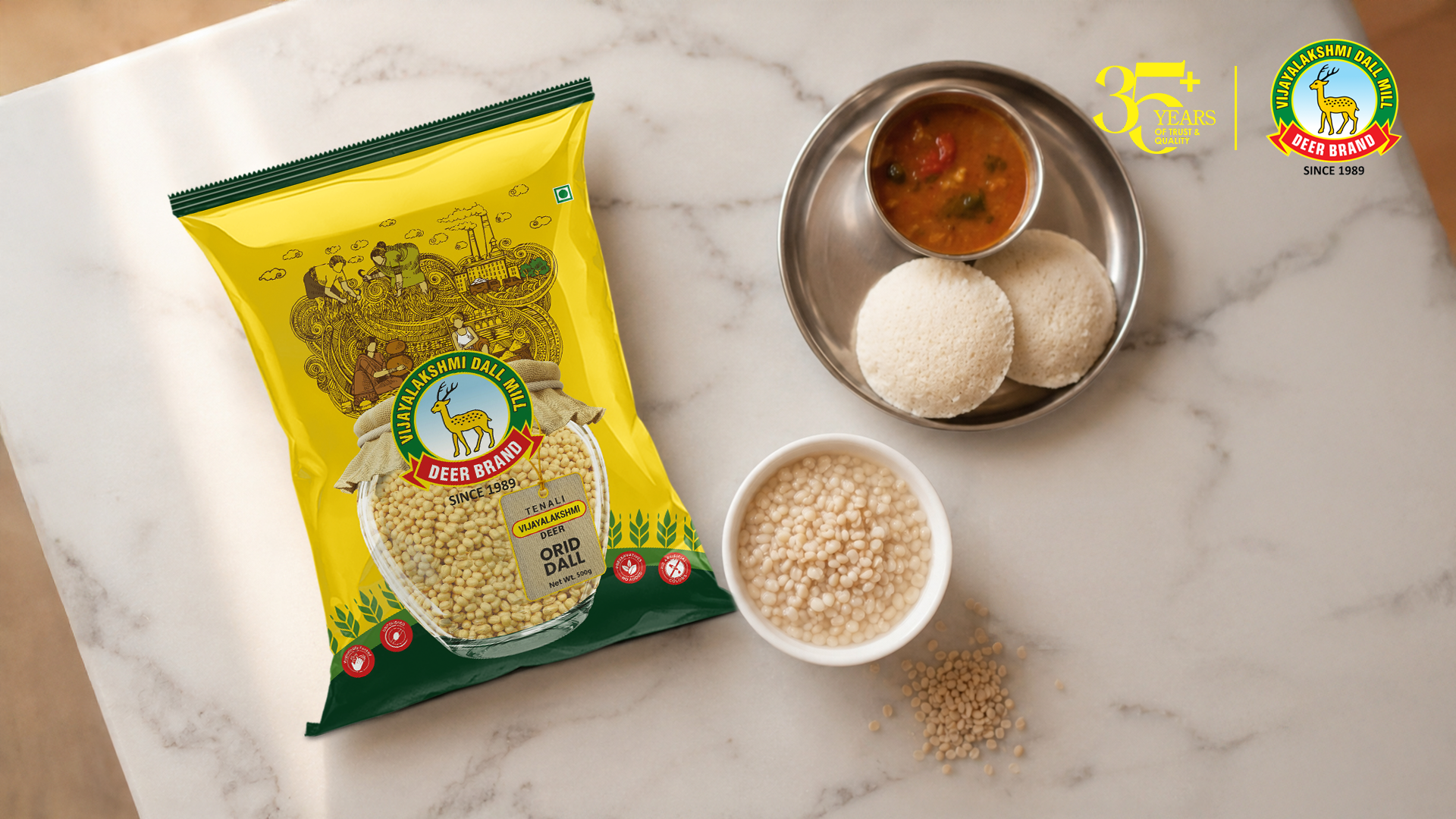
Fermented, steamed, no added fat, easy to digest, provides complete protein with rice, and the fermentation improves the bioavailability of iron and folate. Eating idli with tomato-based sambar adds vitamin C that further enhances iron absorption. This is the most nutritionally efficient and digestively gentle way to eat urad dal during pregnancy.
Dosa (good choice)
Same fermentation benefit as idli. Plain dosa with minimal oil is a good pregnancy choice. Avoid very oily or heavily spiced dosa preparations particularly in the first trimester when digestive sensitivity is common.
Boiled urad dal with light tadka (good choice)
A simple bowl of pressure-cooked urad dal with a squeeze of lemon provides good folate, iron, and protein. The lemon juice adds vitamin C to enhance iron absorption. A mild tadka with cumin and turmeric is safe during pregnancy.
Dal khichdi with urad dal (good choice)
Combining urad dal with rice and vegetables in a soft khichdi is a nutritionally complete and easy-to-digest meal that works well during pregnancy, particularly in the first trimester when many women prefer soft, bland foods.
Medu vada (occasional)
Deep fried and calorie-dense. Occasional consumption is fine but not suitable as a daily pregnancy food.
Dal makhani (occasional)
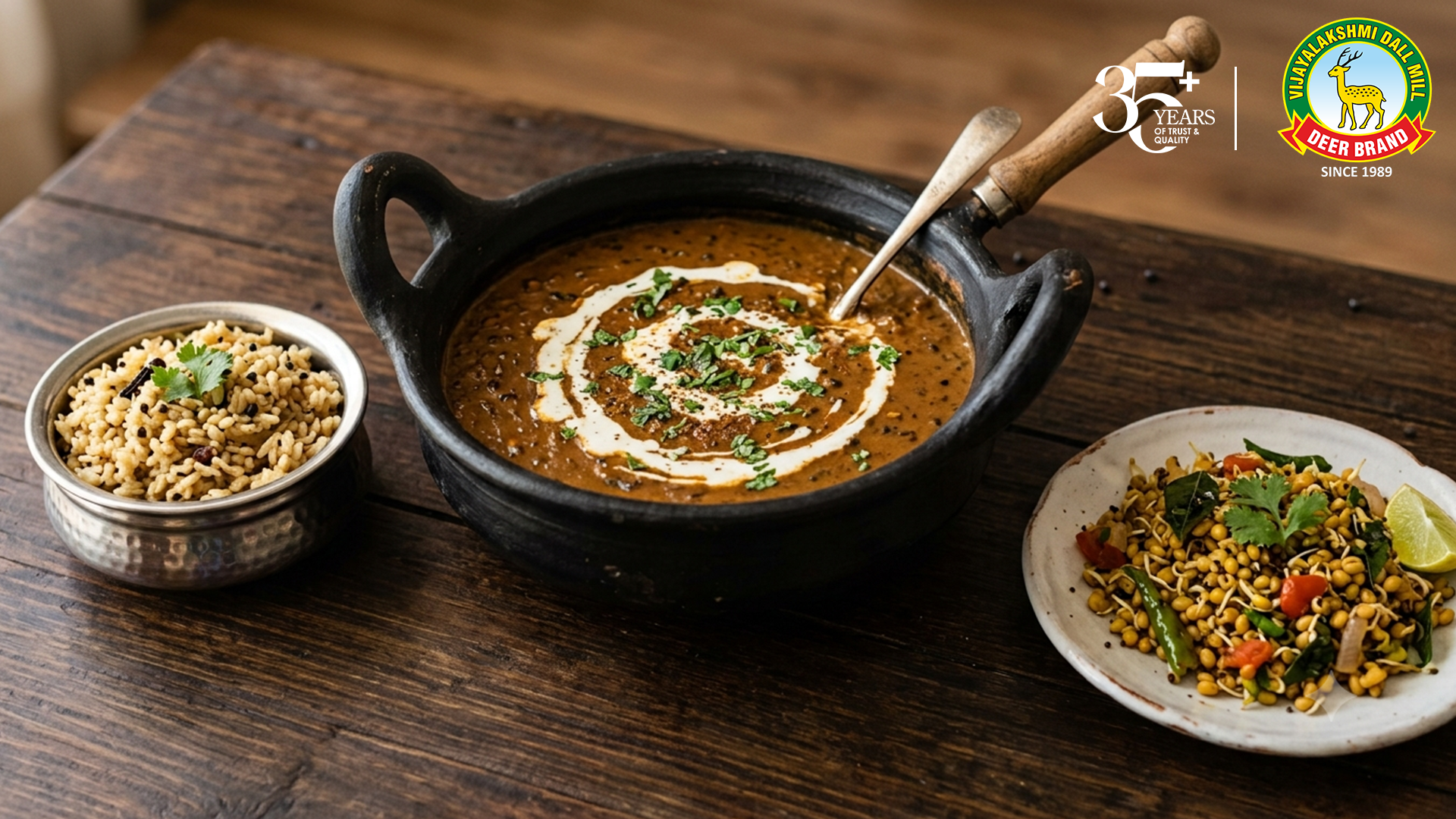
The whole black urad dal in dal makhani provides good nutrition but the butter and cream add significant saturated fat. A smaller portion with reduced butter is a reasonable occasional choice.
How Much Urad Dal Should You Eat During Pregnancy?
One to two servings of urad dal per day is the recommended range for most pregnant women. This provides:
- 216 to 432 mcg of folate — a significant contribution toward the 600 mcg daily pregnancy requirement
- 7 to 16mg of iron — meaningful toward the 27mg daily pregnancy requirement
- 138 to 276mg of calcium — a useful contribution toward the 1,000mg daily requirement
- 25 to 50g of protein — a significant contribution toward the 71g daily requirement
In practical terms for a pregnancy eating plan:
- Breakfast: two to three idlis with tomato sambar — provides folate, iron, calcium and complete protein with vitamin C for enhanced iron absorption
- Lunch or dinner: one bowl of boiled urad dal with rice and a squeeze of lemon — provides a second serving of all key pregnancy nutrients
Always consult your doctor or registered dietitian for personalised dietary advice during pregnancy. Nutritional requirements vary based on individual health status, pre-pregnancy nutritional levels, and specific pregnancy complications.
Is Urad Dal Good for Morning Sickness?
Urad dal in fermented form as idli is one of the most commonly tolerated foods during morning sickness. Here is why:
- Idli is mild in flavour with no strong smells that might trigger nausea
- The soft texture is easy to eat even when appetite is reduced
- The fermented batter is easy to digest and unlikely to cause additional digestive discomfort
- Idli provides meaningful nutrition even in small quantities, which matters when food intake is reduced due to nausea
Many pregnant women find that plain idli with a very mild sambar or just coconut chutney is one of the few foods they can eat reliably during the first trimester. The fact that it also provides folate, iron, and protein makes it one of the best foods to rely on during this nutritionally critical period.
What Precautions Should You Take with Urad Dal During Pregnancy?
- Ensure the dal is thoroughly cooked. Undercooked dal retains antinutrients and can cause digestive discomfort.
- Choose naturally processed dal without chemical polishing agents. During pregnancy avoiding unnecessary chemical exposure in food is a reasonable precaution.
- Store dal correctly in an airtight container away from heat and moisture. Degraded dal loses nutritional value.
- Avoid very large portions in a single sitting as urad dal is heavy and can cause bloating if eaten in excess at one meal.
- Pair with vitamin C at every meal to maximise iron absorption.
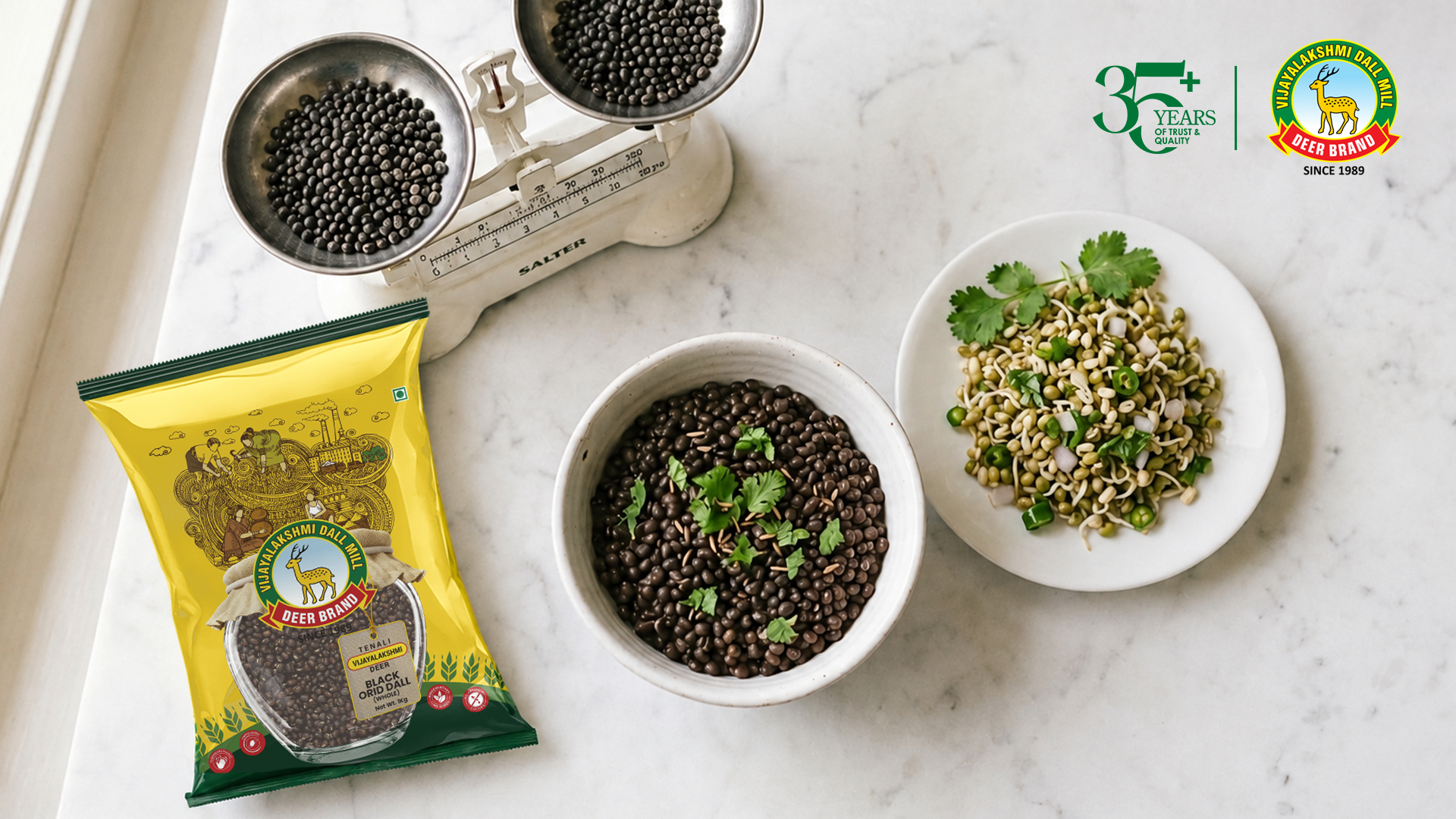
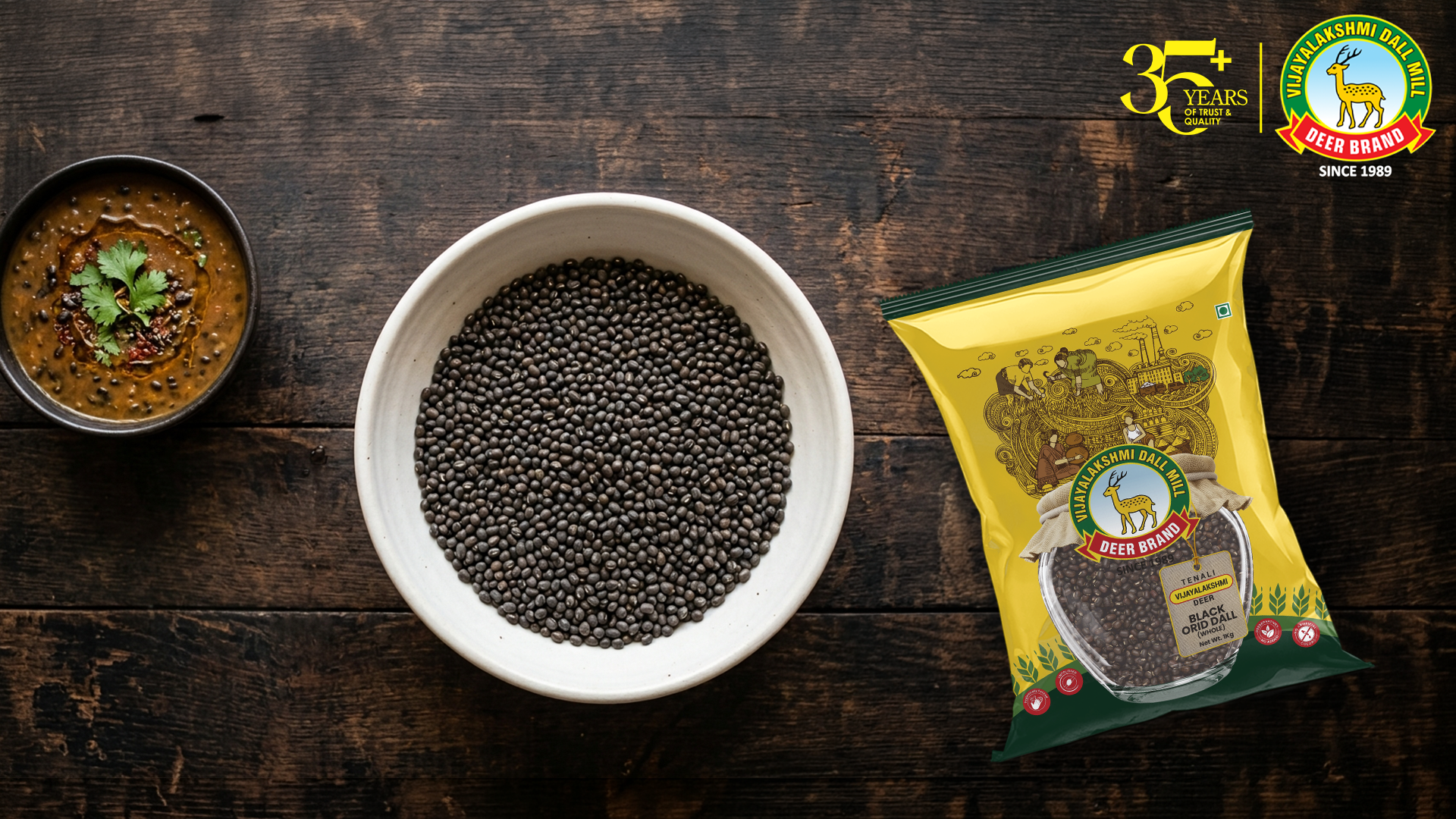
The quality of the urad dal you use during pregnancy matters more than at any other time. Naturally processed dal without chemical additives is the safest and most nutritious choice. For urad dal processed without additives at ISO and HACCP certified units, buy Vijayalakshmi Deer Brand natural urad dal — available on JioMart, Amazon, and Flipkart.
Frequently Asked Questions
Is urad dal good for the first trimester? Yes. The folate content of urad dal makes it particularly valuable in the first trimester when neural tube formation occurs. Fermented preparations like idli are also gentle on digestion during a period when many women experience nausea and digestive sensitivity. Plain idli is one of the most commonly tolerated foods during morning sickness.
Can urad dal cause miscarriage? No. There is no scientific evidence that eating urad dal in normal dietary amounts causes miscarriage. Traditional beliefs in some communities recommend avoiding certain foods during pregnancy but these are not based on medical evidence. Urad dal has been a staple of South Indian pregnancy diets for generations without any associated risk.
Is idli safe during pregnancy? Yes. Idli made from fermented urad dal and rice batter is one of the safest and most nutritious foods during pregnancy. It is easy to digest, rich in folate and iron, and the fermentation improves mineral bioavailability. It is also gentle enough to eat during morning sickness when many foods are not tolerated.
Which dal is best during pregnancy? Urad dal is one of the best choices during pregnancy because of its high folate, iron, calcium, magnesium, and protein content. Moong dal is also a good choice particularly for its easy digestibility. Both should be included regularly as part of a varied pregnancy diet. For women who are iron deficient, urad dal has a slight edge because of its higher iron content.
How much folate does urad dal have? Urad dal contains approximately 216 mcg of folate per 100g of dry dal, making it one of the best dietary sources of folate in everyday Indian cooking. The daily recommended folate intake during pregnancy is 600 mcg. Two servings of urad dal per day contributes significantly toward this requirement, though most doctors also recommend folic acid supplementation during pregnancy.
The Bottom Line
Urad dal is one of the most valuable foods a pregnant woman can eat. Its folate, iron, calcium, magnesium, and protein content address multiple elevated nutritional needs of pregnancy in a single, everyday food. Fermented preparations like idli maximise the nutritional benefit by improving mineral bioavailability and providing a food that is easy to digest even during morning sickness.
For vegetarian pregnant women, urad dal is one of the most practical and culturally familiar ways to meet the significantly elevated nutritional demands of pregnancy.
“For breastfeeding mothers specifically, read our complete guide on is Vijayalakshmi Deer Brand urad gota good for breastfeeding mothers.”
Eating it consistently in fermented form as idli with tomato sambar, two to three times per day, covers a meaningful proportion of daily folate, iron, calcium, and protein requirements.
For naturally processed urad dal that retains its complete nutritional profile, shop Vijayalakshmi Deer Brand urad dal — available in 500g, 1kg, and 5kg packs on JioMart, Amazon, and Flipkart.
Published by the Deer Brand Team — Vijayalakshmi Dall Mills, manufacturers of premium natural urad dal in Tenali, Andhra Pradesh since 1989.